
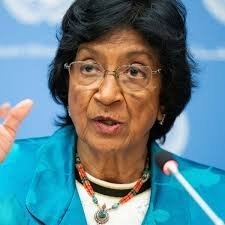
Understanding the Impact of the United Nations in a Complex World
In an era defined by rapid globalization and unprecedented challenges, the United Nations (UN) remains the cornerstone of international diplomacy. Established after the devastation of World War II, the UN was designed not just to prevent another global conflict, but to foster cooperation among nations to solve economic, social, and humanitarian crises.
Whether it is combating climate change or mediating conflicts in volatile regions, the UN provides a unique platform where every sovereign state has a voice, striving toward the common goal of global stability.
The Core Pillars of the United Nations
The UN operates through several key organs and specialized agencies, each focusing on a critical aspect of human existence. To understand its impact, we must look at its primary objectives:
- n
- Maintaining International Peace and Security: Through peacekeeping missions and diplomatic mediation, the UN works to prevent disputes from escalating into full-scale wars.
- Protecting Human Rights: Guided by the Universal Declaration of Human Rights, the organization monitors abuses and advocates for the dignity of every individual regardless of nationality.
- Delivering Humanitarian Aid: From food programs (WFP) to refugee support (UNHCR), the UN is often the first responder in the wake of natural disasters and war.
- Promoting Sustainable Development: The UN coordinates global efforts to ensure that economic growth does not come at the cost of the planet.
The 2030 Agenda: Sustainable Development Goals (SDGs)
One of the most ambitious projects in human history is the 2030 Agenda for Sustainable Development. This initiative consists of 17 Sustainable Development Goals (SDGs) designed to be a “blueprint to achieve a better and more sustainable future for all.”
These goals include:
- No Poverty: Ending poverty in all its forms everywhere.
- Zero Hunger: Achieving food security and improved nutrition.
- Climate Action: Taking urgent action to combat climate change and its impacts.
- Gender Equality: Ensuring women and girls have equal rights and opportunities.
Canada’s Strategic Role within the UN
Canada has a long and distinguished history of contributing to the United Nations. From the early days of peacekeeping to contemporary leadership in feminist international assistance, Canada continues to champion multilateralism. By collaborating with the Government of Canada’s Global Affairs department, the nation ensures that Canadian values of diversity, inclusion, and peace are reflected in international policy.
Challenges and the Path Forward
Despite its successes, the UN faces significant hurdles, including geopolitical tensions among permanent members of the Security Council and the need for structural reform to reflect the modern world. However, the necessity of a global governing body has never been more apparent.
As we move forward, the synergy between national governments, NGOs, and the UN will be the deciding factor in whether we can overcome the systemic threats of the 21st century.



