
Understanding the Fort Hood Tragedy: Facts and Consequences
The events surrounding the Fort Hood shooter remain a somber chapter in the history of the United States Army. Such incidents not only cause immediate devastation but also spark critical conversations regarding military security, mental health within the ranks, and the efficiency of the judicial system.
To fully comprehend the magnitude of this tragedy, it is essential to look beyond the headlines and examine the sequence of events and the systemic ripples they created.
The Incident: What Happened?
The shooting at Fort Hood was a sudden and violent act that shocked the military community and the nation. The perpetrator, a soldier stationed at the base, opened fire, resulting in multiple casualties and a state of chaos that required a massive tactical response from law enforcement and military police.
Key details of the event included:
- n
- Rapid Escalation: The transition from a standard workday to a combat-like scenario within the base.
- Tactical Response: The swift action of first responders to neutralize the threat and secure the perimeter.
- Victim Impact: The loss of lives and the psychological trauma inflicted on survivors and witnesses.
Legal Proceedings and Justice
Following the attack, the legal process focused on determining the shooter’s motive and state of mind. The trials associated with the Fort Hood shooter were highly scrutinized, highlighting the complexities of the Uniform Code of Military Justice (UCMJ).
The prosecution sought the maximum penalties to reflect the gravity of the crime, while the defense often pointed toward mental health struggles. This clash underscored a recurring theme in military law: the balance between accountability for heinous acts and the recognition of psychological distress in high-stress environments.
The Aftermath: Lessons Learned and Changes
In the wake of the tragedy, the Department of Defense and Army leadership faced intense pressure to implement reforms. The goal was clear: prevent such a catastrophic failure of security and mental health screening from happening again.
Major areas of improvement included:
- Enhanced Mental Health Screening: Implementing more rigorous and frequent psychological evaluations for personnel with access to weaponry.
- Security Protocols: Reviewing base access and internal surveillance to identify “red flags” more effectively.
- Support Systems: Increasing the availability of counseling and peer-support programs to ensure soldiers feel safe reporting concerning behavior.
Honoring the Victims
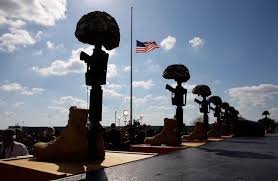
While the focus often remains on the perpetrator, the true legacy of this event lies in the resilience of the survivors and the memory of those lost. The military community has worked tirelessly to foster a culture of healing and vigilance.
For more information on military safety and justice, you can visit the official U.S. Department of Defense website to stay updated on current policies and safety initiatives.
The story of the Fort Hood shooter serves as a reminder of the fragility of peace and the ongoing need for comprehensive support systems within our armed forces.



