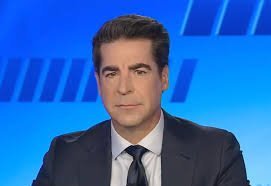
Abdul El-Sayed vs. Martha MacCallum: A Heated Clash Over Iran and Economic Justice
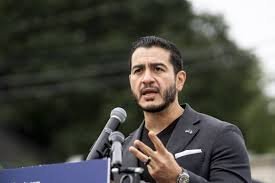
A High-Stakes Confrontation on Fox News
In a recent and tension-filled interview, Michigan Democratic Senate candidate Abdul El-Sayed went head-to-head with Fox News anchor Martha MacCallum. The conversation quickly evolved from a standard political interview into a profound debate over American foreign policy, the legality of war, and the moral implications of extreme wealth in the United States.
The Debate Over the ‘Illegal War’ with Iran
The primary flashpoint of the discussion was the current conflict with Iran. El-Sayed did not mince words, challenging the legitimacy of the military actions taken during Donald Trump’s administration. He argued that the war was launched without the necessary congressional authorization, labeling it a conflict that the U.S. simply “shouldn’t be fighting.”
During the exchange, El-Sayed posed a series of critical questions to Martha MacCallum:
- Why is the U.S. fighting this war?
- To what end is this conflict being pursued?
- Who truly benefits from these military engagements?
- What is the actual cost, both human and financial?
MacCallum countered by emphasizing the historical threats posed by Iran, citing the tragic 1983 bombing of U.S. Marine barracks in Beirut as evidence of Iran’s volatility in the Middle East. However, El-Sayed pivoted to the diplomatic failures of the second Trump administration, noting that the scrapping of the Iran nuclear deal—which Barack Obama had established—undermined global stability.
“Does more war make us actually safer? The argument that I think we continue to need to learn is that less war in the world is usually safer,” El-Sayed asserted.
Economic Equality: Billionaires vs. Public Education
The conversation shifted from global warfare to domestic economic struggle. When MacCallum described the wealthy as the “engine of the world,” El-Sayed offered a contrasting vision of capitalism rooted in accessibility and opportunity rather than accumulation.
El-Sayed argued for increasing taxes on the ultra-wealthy to fund essential public services. His rationale was simple: the social return on investment for a child’s education far outweighs the benefit of a billionaire acquiring their second or third billion dollars.
Key points from El-Sayed’s economic stance:
- Investment in People: Prioritizing public schools to ensure every child has a fair shot at success.
- Sustainable Capitalism: Creating an environment where more people can “breathe” and participate in the economy, rather than being “choked out” by a lack of basic resources.
- Dignified Living: Shifting the focus from extreme wealth accumulation to ensuring a dignified standard of living for all citizens.
Final Thoughts
The encounter between Abdul El-Sayed and Martha MacCallum highlights the deep ideological divide currently shaping the U.S. political landscape. From the corridors of power in Washington to the streets of Detroit, the debate over whether peace or power—and public good or private wealth—should drive the American agenda continues to intensify.
📰 You May Also Like