
Understanding Midterm Elections: Why They Shape the Future of US Politics
In the complex machinery of American democracy, few events are as pivotal yet misunderstood as the midterm elections. Occurring halfway through a president’s four-year term, these elections are far more than just a “halfway mark”; they are a critical barometer of the nation’s political climate and a decisive factor in how the country is governed.
What Exactly Are Midterm Elections?
Midterm elections take place every four years, exactly in the middle of a president’s term. While the presidency is not on the ballot, the focus shifts to the legislative branch. Voters head to the polls to elect members of the U.S. House of Representatives and the U.S. Senate.
- n
- The House of Representatives: All 435 seats are up for election every two years. This makes the House highly sensitive to immediate shifts in public opinion.
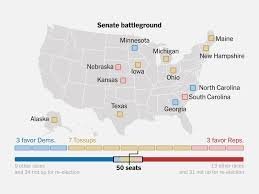
- The Senate: Approximately one-third of the 100 seats are up for election every two years, providing a more gradual transition of power.
Why Midterm Elections Matter
The outcome of the midterms can fundamentally alter the trajectory of the president’s legislative agenda. The balance of power in Congress determines whether a president’s proposals will become law or face an insurmountable wall of opposition.
1. Checks and Balances
The U.S. system is built on checks and balances. If the opposing party wins a majority in one or both chambers of Congress (known as a divided government), it acts as a check on executive power, often leading to compromise or legislative gridlock.
2. Policy Implementation
From healthcare and climate change to tax reforms and national security, the party in control of Congress dictates which bills are brought to the floor for a vote and which are ignored.
3. Judicial Appointments
The Senate plays a crucial role in confirming federal judges and Supreme Court justices. A shift in Senate control can change the judicial philosophy of the U.S. courts for decades.
Historical Trends: The “Midterm Curse”
Historically, the party holding the presidency almost always loses seats in the midterm elections. This phenomenon is often attributed to voter fatigue and a natural desire for a balance of power. While not an absolute rule, this trend highlights the role of midterms as a referendum on the current administration’s performance.
How to Get Involved and Stay Informed
Understanding the stakes of the midterm elections is the first step toward active civic engagement. For those looking to research candidates or verify their registration status, official resources are essential.
To learn more about the voting process and find your polling place, visit USA.gov, the official portal for U.S. government services. For detailed non-partisan data on candidates and districts, Ballotpedia is an invaluable resource for every voter.



