
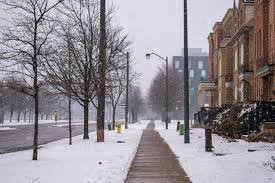
Mastering the Snow Forecast: How to Prepare for the Canadian Winter
For anyone living in the Great White North, a snow forecast isn’t just a weather update—it’s a daily survival guide. From deciding if you need to shovel the driveway to planning a weekend ski trip in the Rockies, understanding the nuances of winter precipitation is essential for every Canadian.
But not all snow forecasts are created equal. Between “flurries,” “snow squalls,” and “heavy accumulation,” the terminology can be confusing. In this guide, we’ll break down how to read the signs and where to find the most reliable data.
Why an Accurate Snow Forecast Matters
In Canada, weather shifts can happen in minutes. An accurate forecast helps you:
- n
- Ensure Road Safety: Knowing when a snowstorm hits allows you to adjust travel plans or equip your vehicle with winter tires.
- Home Maintenance: Prevent ice dams and roof collapses by knowing when heavy loads of snow are expected.
- Plan Recreation: Whether it’s snowboarding or sledding, timing is everything for the perfect powder.
How to Interpret Your Snow Forecast
When you check your local weather app, you’ll encounter several key terms. Here is what they actually mean for your day:
1. Snow Flurries
Flurries are light snowfalls that start and stop quickly. They usually don’t leave a significant accumulation on the ground but can make visibility tricky during your morning commute.
2. Snow Squalls
Unlike flurries, squalls are intense, short-lived bursts of heavy snow often accompanied by strong winds. These are particularly dangerous for drivers due to “whiteout” conditions.
3. Accumulation Totals
When a forecast mentions “15-20 cm of snow,” it refers to the total amount expected over a specific period. Always check if this is a 24-hour total or a multi-day projection.
Top Resources for Reliable Weather Tracking in Canada
To get the most precise snow forecast, it’s best to rely on high-authority sources that use advanced meteorological satellite data.
We highly recommend monitoring Environment Canada for official government warnings and alerts. For real-time, street-level updates and interactive maps, The Weather Network provides an excellent user interface for tracking storm cells moving across the provinces.
Essential Tips for Heavy Snowfall Days
Once the forecast confirms a major event, it’s time to take action. Follow these pro tips to stay safe:
- Prepare Your Kit: Keep a winter emergency kit in your car, including a shovel, sand/salt, blankets, and extra warm clothing.
- Clear the Vents: Ensure your home’s exhaust vents (furnace and water heater) are clear of snow to prevent carbon monoxide buildup.
- Stay Hydrated and Warm: Cold weather can be deceiving; keep drinking water and dress in layers (base, insulating, and waterproof).
Final Thoughts
While the Canadian winter can be challenging, staying informed is your best defense. By keeping a close eye on the snow forecast and preparing in advance, you can turn a potential weather disaster into a cozy winter experience.



