
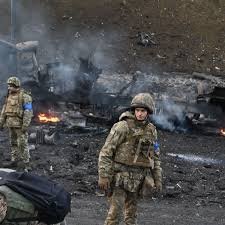
The Russia-Ukraine Conflict: Understanding the Current State and Global Impact
The conflict between Russia and Ukraine has evolved into one of the most significant geopolitical crises of the 21st century. Beyond the immediate territorial disputes, this confrontation has triggered a seismic shift in international relations, global energy markets, and security architectures across Europe and beyond.
The Roots of the Tension
To understand the current state of the Russia-Ukraine war, it is essential to look at the historical and political friction. The tension primarily revolves around Ukraine’s desire for closer integration with the European Union and NATO, contrasting with Russia’s view of Ukraine as part of its sphere of influence.
Key factors contributing to the escalation include:
- n
- NATO Expansion: Russia’s long-standing opposition to the eastward expansion of the North Atlantic Treaty Organization.
- Sovereignty and Identity: Ukraine’s push for democratic reforms and a distinct national identity separate from Moscow.
- Territorial Disputes: The strategic importance of the Crimean Peninsula and the Donbas region.
Current State of the Conflict
The conflict has transitioned into a grueling war of attrition. Both nations have invested heavily in military infrastructure, with Ukraine receiving substantial intelligence and hardware support from Western allies. The frontlines remain volatile, characterized by intense artillery battles and strategic drone warfare.
The humanitarian toll continues to rise, with millions of displaced persons and significant infrastructure damage. International bodies, such as the United Nations, continue to call for diplomatic solutions to prevent further escalation and mitigate the suffering of civilians.
Global Economic Consequences
The impact of the Russia-Ukraine war extends far beyond the borders of Eastern Europe. The global economy has felt the shockwaves through several critical channels:
- Energy Crisis: As Russia is a primary supplier of natural gas and oil, the conflict led to extreme price volatility and a push for energy diversification in Europe.
- Food Security: Known as the “breadbasket of the world,” Ukraine’s struggle to export grain has threatened food security in Africa and the Middle East.
- Supply Chain Disruptions: The war exacerbated existing pandemic-era supply chain issues, increasing the cost of raw materials.
The Role of the International Community
The international response has been marked by unprecedented sanctions against the Russian economy and a surge in military aid to Kyiv. This alignment of Western powers has revitalized NATO, prompting countries like Finland and Sweden to seek membership to ensure their own security.
For more detailed real-time updates on diplomatic negotiations and battlefield movements, authoritative sources like Reuters provide comprehensive coverage of the evolving situation.
Conclusion: Looking Toward the Future
The path to peace in the Russia-Ukraine conflict remains complex. Whether through a negotiated settlement or a long-term stalemate, the outcome will redefine the global order for decades to come. The focus remains on achieving a sustainable peace that respects international law and national sovereignty.



