
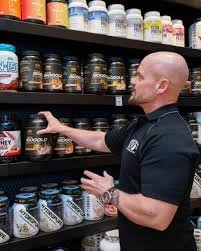
The Bitter Taste of Tariffs: Why Your Protein Powder is Becoming a Luxury
For fitness enthusiasts, athletes, and anyone tracking their macros, whey protein is more than just a supplement—it is a staple. However, a brewing trade war between the United States and Canada has turned this essential ingredient into a geopolitical pawn, leaving consumers and manufacturers facing a looming supply crisis.
The conflict has escalated rapidly, with both nations imposing aggressive tariffs that are rippling through the dairy industry. For those who rely on protein shakes to maintain muscle mass or support weight loss, the cost of staying fit is about to go up.
The Crossfire: 50% Tariffs and Trade Bans
The current tension entered a vicious phase when the U.S. administration imposed 50% duties on approximately $20 billion worth of Canadian goods. The catalyst? Allegations of “increased discrimination against U.S. commerce,” specifically targeting Canada’s dairy quotas which limit U.S. market access.
Canada responded in kind, matching the tariffs dollar-for-dollar. The result is a devastating blow to the whey protein supply chain:
- Canadian Impact: Manufacturers are facing a severe squeeze as they rely heavily on processed whey from the U.S.
- U.S. Impact: American businesses are now banned from purchasing several Canadian-made whey protein concentrates.
- Market Volatility: Wholesale prices for whey protein concentrate saw a staggering 250% increase compared to the previous year, peaking at around $13 per pound.
Why We Can’t Just ‘Switch’ to Pea Protein
Many wonder why companies don’t simply pivot to plant-based alternatives like pea protein, which aren’t subject to these tariffs. According to the Government of Canada’s health guidelines and industry experts, it is not that simple.
Switching a primary ingredient requires complete product reformulation. This means changing tastes, textures, and sourcing entirely new supply chains—a process that is both time-consuming and expensive, ultimately leading to higher retail prices for the consumer.
The Human Cost: From Gym-Goers to GLP-1 Users
The impact of this trade war extends beyond balance sheets. For individuals using GLP-1 medications for weight loss, high protein intake is medically recommended to prevent muscle wasting. When a person’s health regimen depends on 200+ grams of protein a day, a price hike from $35 a carton to significantly more is a major financial burden.
Industry analysts from the USDA have already noted that many suppliers were sold out months ago, as buyers panicked and began stockpiling inventory to avoid the inevitable inflation.
What to Expect Next?
While wholesale prices have settled slightly, the “lag effect” means consumers will likely feel the full weight of these price spikes throughout the end of the year and into early next year. As long as the trade dispute remains unresolved, the cost of maintaining a high-protein lifestyle will remain volatile.
Key Takeaway: The US-Canada trade war proves that supply chains are fragile. When politics interferes with agriculture, the end consumer is always the one paying the price.



