
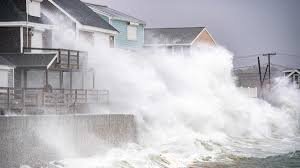
Preparing for the Unpredictable: Navigating Winter Storms in Canada
For those living in the Great White North, a tempête (storm) is more than just a weather event; it’s a seasonal reality. Whether you are in the heart of Quebec, the prairies of Alberta, or the coastal regions of Nova Scotia, Canadian winters can be unpredictable and intense. Being prepared is not just a suggestion—it’s a necessity for safety and peace of mind.
In this comprehensive guide, we will explore how to prepare your home, your family, and your mindset to weather any storm that comes your way.
1. Stay Informed with Real-Time Alerts
The first line of defense against any major storm is information. In Canada, weather patterns can shift rapidly. It is crucial to rely on official sources to receive timely warnings about blizzard conditions or extreme cold.
- Environment Canada: The primary source for official weather warnings and watches. Check their official website regularly.
- Local News Apps: Enable push notifications for emergency alerts on your smartphone.
- Weather Radio: In the event of a power outage, a battery-operated radio is your best bet for receiving critical updates.
2. Building Your Essential Emergency Kit
When a severe tempête hits, power outages and road closures are common. Having a pre-assembled emergency kit can make the difference between stress and security. Your kit should include:
- Non-perishable Food: Canned goods, energy bars, and dried fruits (enough for at least 72 hours).
- Water: At least 4 litres of water per person per day.
- Lighting: LED flashlights, lanterns, and plenty of extra batteries (avoid candles to prevent fire hazards).
- Warmth: Heavy blankets, thermal clothing, and sleeping bags.
- First Aid: A fully stocked first aid kit and a supply of essential medications.
3. Winterizing Your Home
Preventing damage before the storm arrives is key to avoiding costly repairs. Take a few hours to “winterize” your living space:
- Seal the Leaks: Use weatherstripping or caulk to seal gaps around windows and doors to keep the heat in.
- Protect Your Pipes: Insulate exposed water pipes in your basement or garage to prevent them from freezing and bursting.
- Generator Safety: If you have a generator, ensure it is placed outdoors and far away from windows to prevent carbon monoxide poisoning.
4. Safety Tips During the Storm
Once the storm has arrived, the best strategy is often to stay put. If you must travel, ensure your vehicle is equipped with a winter survival kit (including a shovel, sand/cat litter for traction, and warm clothing).
For more detailed safety protocols, the Canadian Red Cross provides excellent resources on emergency preparedness and disaster response.
Conclusion
While we cannot control the weather, we can control how ready we are. By staying informed and preparing your home and emergency supplies, you can face any Canadian tempête with confidence. Stay warm, stay safe, and always prioritize caution over convenience during winter weather events.



