The Growing Demand for Access vs. Athlete Privacy
Coco Gauff’s frustration boiled over after a tough defeat to Elina Svitolina at the Australian Open. As she headed off court, she unleashed her anger on her racket, slamming it repeatedly – unaware her every move was being filmed and broadcast to millions. This incident ignited a crucial debate: how much access should fans really have to athletes, and where should the line be drawn?
A Chorus of Dissent
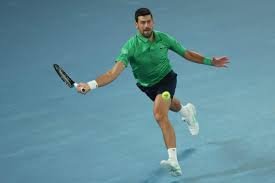
Gauff wasn’t alone in her concerns. Fellow WTA players Amanda Anisimova, Jessica Pegula, and Iga Swiatek echoed her sentiments. Swiatek poignantly asked, “Are we tennis players or are we animals in the zoo where they are observed even when they poop?” The discontent wasn’t limited to the women’s tour; Novak Djokovic, a 24-time Grand Slam champion, acknowledged the challenge of finding privacy in an age where “content is everything.”
The Australian Open’s Perspective
The Australian Open has been broadcasting footage from players’ zones since 2019, including gyms, warm-up areas, and corridors. Organizers argue these are areas where players are preparing for their job, not private spaces. However, following Gauff’s comments, Australian Open Tournament Director Craig Tiley pledged to listen to player feedback and review the setup, aiming to balance fan engagement with athlete comfort.
The ‘Warts and All’ Trend in Sports
The demand for behind-the-scenes access isn’t new. Documentaries like HBO’s 24/7 (boxing), Hard Knocks (NFL), Drive to Survive (Formula 1), and Amazon’s All or Nothing franchise have proven incredibly popular, offering fans an intimate look into the lives of athletes. However, some argue this trend is going too far, potentially sacrificing the mystique that makes sports so captivating.
The Value of Mystique
Steve Martin, a sports and entertainment marketing executive, believes certain aspects of an athlete’s life should remain private. “There are certain things that are sacrosanct and should be left sacrosanct because that creates a mystique,” he says. “But at the minute all cards are on the table. And sometimes I think it’s too much.” Tennis even attempted its own version of Drive to Survive with Break Point, but it was cancelled after two seasons, reportedly due to top players’ reluctance to grant such extensive access.
Historical Precedents and Player Pushback
The debate over access isn’t limited to tennis. In English football, dressing rooms were once considered sacred spaces. While rare exceptions, like a fiery confrontation captured in the 1994 documentary Orient: Club For a Fiver, were memorable precisely because they were so unusual. More recently, Tottenham Hotspur players expressed their displeasure when the club agreed to be featured in Amazon’s All or Nothing series, questioning whether they would receive a share of the financial benefits.
Incidents and Consequences
Moments of raw emotion, even those caught on camera, can have repercussions. Max Verstappen’s post-race confrontation with Esteban Ocon at the 2018 Brazilian Grand Prix, filmed by French TV cameras, led to a stewards’ inquiry and a penalty for Verstappen. These incidents raise questions about the ethical implications of broadcasting potentially damaging footage.
The Athlete’s Perspective
Olympic heptathlon champion Denise Lewis describes the use of “safe spaces” for entertainment as “an invasion of privacy.” She argues that judging athletes based on fleeting moments of frustration is unfair. The potential financial consequences – jeopardizing sponsorships – are also a significant concern.
Finding the Balance
While athletes increasingly share behind-the-scenes content on their own terms through social media, there’s a crucial difference between controlled access and having no control over what is broadcast. The Masters golf tournament, with its strict ban on mobile phones and cameras, offers a contrasting approach, prioritizing athlete comfort and the overall event experience.
Ultimately, finding the right balance between fan engagement and athlete privacy remains a challenge. As Steve Martin suggests, protecting the “heartbeat and purity of the event” – and its athletes – should be paramount. Whether rights holders will heed this call remains to be seen.