
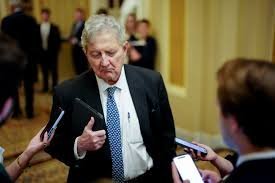
The Shifting Tide: Analyzing Donald Trump’s 29% Approval Rating
In the volatile world of American politics, numbers often tell a story deeper than the headlines. Recent polling data has sparked a heated debate across the nation as Donald Trump’s approval rating has hit 29 percent. For political analysts and voters alike, this figure is more than just a statistic; it is a reflection of a deeply polarized electorate and a signal of shifting sentiments.
But what does a 29% approval rating actually signify in the current political climate? To understand the implications, we need to look beyond the surface.
Breaking Down the Numbers: Why the Decline?
Several factors contribute to the current fluctuation in approval ratings. Political scientists suggest that a combination of legal challenges, economic concerns, and the evolving preferences of independent voters play a crucial role. While Trump maintains a fiercely loyal base, the struggle to capture the “middle ground” is evident in these percentages.
Key drivers influencing these ratings include:
- n
- Economic Sentiment: Inflation and cost-of-living increases often impact how voters perceive leadership and policy effectiveness.
- Legal Proceedings: Ongoing court cases continue to sway the opinions of moderate voters.
- Swing State Dynamics: The volatility in key battleground states often reflects in the national average.
Comparing the Data: Historical Context
When comparing this to other presidential figures, it’s important to note that approval ratings have become more polarized over the last decade. According to data from Gallup, the gap between party loyalists and detractors has widened, making a “consensus” approval rating harder to achieve.
A 29% rating suggests a significant challenge in expanding appeal beyond the core Republican base. In a general election, the ability to peel away a small percentage of undecided voters is often the difference between victory and defeat.
What This Means for the Future of US Politics
The fact that Donald Trump’s approval rating is at 29 percent creates a strategic crossroads. For his campaign, the goal will be to energize the base while rebranding his image to attract those who are currently dissatisfied.
On the other hand, political opponents may see this as a window of opportunity to solidify their own support and highlight the perceived instability of the opposing platform. The coming months will be critical in determining whether this number is a temporary dip or a long-term trend.
Final Thoughts
Whether you view this number as a sign of weakness or a baseline for a comeback, one thing is certain: the US political landscape remains as unpredictable as ever. As we move closer to major electoral milestones, these percentages will continue to shift, reflecting the complex heartbeat of the American people.
Stay tuned for more updates on polling trends and political analysis as the race unfolds.



