
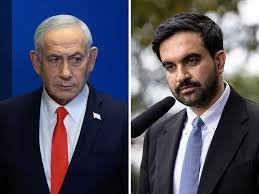
Benjamin Netanyahu: The Complex Legacy of Israel’s Longest-Serving Prime Minister
In the landscape of global politics, few figures are as polarizing or as influential as Benjamin Netanyahu. As the longest-serving Prime Minister in Israel’s history, his leadership has shaped not only the internal fabric of the Israeli state but also the geopolitical dynamics of the entire Middle East.
To understand the current state of international relations and the ongoing conflicts in the region, it is essential to analyze the strategic vision, the controversies, and the political maneuvers of the man at the center of it all.
The Political Rise of Benjamin Netanyahu
Benjamin Netanyahu’s ascent to power was not accidental. With a background in economics and a history of service in the elite Sayeret Matkal unit, he combined intellectual rigor with a strong security-centric approach. His tenure has been characterized by a commitment to a strong national defense and a cautious approach to diplomatic concessions.
Throughout his multiple terms in office, Netanyahu has focused on several key pillars:
- n
- Economic Liberalization: Shifting Israel toward a more market-oriented economy, fostering the “Startup Nation” phenomenon.
- Security First: Maintaining a hardline stance against regional threats, particularly regarding Iran’s nuclear ambitions.
- Global Alliances: Strengthening ties with the United States and forging new diplomatic paths, such as the historic Abraham Accords.
n
n
Navigating Conflict and Controversy
No discussion about Benjamin Netanyahu is complete without addressing the challenges and criticisms he has faced. From internal legal battles to intense protests over judicial reforms, his leadership has often sparked deep divisions within Israeli society.
On the international stage, his policies regarding the Palestinian territories and the ongoing security operations have drawn scrutiny from organizations like the Reuters and the BBC, highlighting the tension between national security imperatives and international humanitarian law.
Netanyahu’s Influence on Modern Geopolitics
Netanyahu’s approach to diplomacy is rooted in the belief that strength is the only viable deterrent in the Middle East. This philosophy has led to a complex relationship with various world leaders, characterized by both strategic alignment and occasional friction.
His ability to navigate the intricacies of the US-Israel relationship—across different presidential administrations—demonstrates a mastery of political survival and strategic communication.
Final Thoughts: A Lasting Impact
Whether viewed as a visionary protector of the state or a divisive political figure, the influence of Benjamin Netanyahu on the 21st century is undeniable. His legacy will likely be measured by the long-term stability of the region and the evolution of Israel’s democratic institutions.
As the world continues to watch the Middle East, the decisions made by Netanyahu and his government remain pivotal to the quest for peace and security in one of the world’s most volatile regions.



