
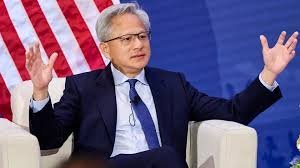
The AI Gold Rush and the Rise of NVIDIA’s Fortune
The global economy is witnessing a seismic shift driven by Artificial Intelligence, and at the epicenter of this revolution is NVIDIA. As the primary provider of the GPUs that power LLMs (Large Language Models), the company has seen its valuation skyrocket, catapulting CEO Jensen Huang into the elite ranks of the world’s wealthiest individuals.
However, with unprecedented wealth comes unprecedented scrutiny. The discourse surrounding Jensen Huang wealth tax comments and the broader implications of taxing AI-driven fortunes has become a flashpoint for economists and policymakers alike.
What is the Wealth Tax Debate About?
Unlike a traditional income tax, which taxes what you earn in a year, a wealth tax targets the total net worth of an individual. In the context of tech visionaries like Huang, most of their wealth is tied up in company stock rather than liquid cash.
The Arguments for a Wealth Tax on AI Titans:
- n
- Reducing Inequality: Proponents argue that the AI boom is concentrating wealth in a few hands, exacerbating the gap between the tech elite and the general workforce.
- Funding Public Infrastructure: Taxing the windfalls of the AI era could fund the transition for workers displaced by automation.
- Societal Contribution: The argument that the infrastructure provided by governments (education, research, internet) helped enable AI’s success, justifying a “give back” mechanism.
The Arguments Against:
- Stifling Innovation: Critics argue that taxing unrealized gains could discourage founders from scaling companies or taking the massive risks required for breakthroughs.
- Liquidity Issues: Forcing CEOs to sell massive amounts of stock to pay taxes could lead to market instability and a loss of founder control.
- Capital Flight: High wealth taxes might drive top talent and investment to countries with more favorable tax regimes.
The Broader Impact on the Tech Industry
The conversation regarding Jensen Huang is a proxy for a larger debate about the AI economy. As AI continues to automate tasks and generate billions in efficiency, the question is no longer just about how the technology works, but who benefits from it.
Industry analysts often look to Bloomberg and Forbes to track how these shifts in tax policy might affect the stock market and venture capital investment in Silicon Valley.
Conclusion: A Balancing Act
Whether the world moves toward a formal wealth tax or maintains the current system, the rise of figures like Jensen Huang highlights the need for a new economic framework. As AI continues to redefine productivity, society must find a balance between rewarding the brilliance of innovation and ensuring that the benefits of the AI era are shared broadly.
What do you think? Should the architects of the AI revolution be subject to a wealth tax, or would that hinder the next great leap in technology?



