
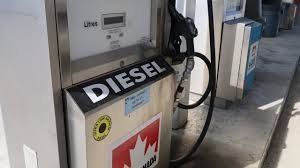
Understanding the Power of Diesel Fuel in Today’s Economy
For decades, diesel fuel has been the silent engine driving the global economy. From the massive haulers crossing the Canadian Prairies to the heavy machinery powering our construction sites, diesel remains the gold standard for power and reliability. But as the world shifts toward a greener future, how is this essential energy source evolving?
In this comprehensive guide, we will explore why diesel fuel continues to be indispensable and how the industry is adapting to meet new environmental standards without sacrificing performance.
Why Diesel Fuel Remains the Backbone of Industry
When comparing diesel to gasoline, the advantages for commercial operations are clear. Diesel engines are renowned for their superior torque and thermal efficiency, making them ideal for heavy-duty applications.
- Fuel Economy: Diesel engines typically provide better mileage than gasoline engines, significantly reducing operational costs for long-haul logistics.
- Longevity: Built to withstand higher compression, diesel engines often have a longer lifespan, offering a better return on investment (ROI) for business owners.
- Reliability: Whether it’s freezing temperatures in Yukon or humid summers in Ontario, diesel provides the consistent power required for demanding tasks.
The Canadian Context: Managing Diesel in Cold Climates
Operating with diesel fuel in Canada presents unique challenges, primarily due to the extreme cold. When temperatures drop, paraffin wax in the fuel can crystallize, leading to “gelled fuel” and clogged filters.
To combat this, the industry utilizes winter-grade diesel, which contains additives to lower the cloud point, ensuring that fleets remain operational even in the harshest Canadian winters. For those managing a fleet, understanding the seasonal transition of fuel blends is critical to avoiding costly downtime.
The Transition to Sustainable Diesel Alternatives
The conversation around diesel fuel is shifting toward sustainability. The goal is no longer just about power, but about reducing the carbon footprint. Enter the era of renewable fuels:
Biodiesel and HVO
Biodiesel, derived from vegetable oils or animal fats, is increasingly blended with traditional petroleum diesel. Even more promising is Hydrotreated Vegetable Oil (HVO), or renewable diesel. Unlike biodiesel, HVO is a “drop-in” fuel, meaning it can be used in existing engines without any modifications, significantly slashing greenhouse gas emissions.
For more information on Canada’s energy goals and renewable fuel standards, you can visit the Natural Resources Canada (NRCan) official portal.
Pro Tips for Maximizing Diesel Fuel Efficiency
Whether you are a business owner or a driver, optimizing your fuel consumption is the fastest way to increase your bottom line. Consider these strategies:
- Maintain Proper Tire Pressure: Under-inflated tires increase rolling resistance, forcing the engine to burn more fuel.
- Reduce Idle Time: Excessive idling wastes gallons of fuel and increases engine wear. Consider auxiliary power units (APUs) for climate control.
- Regular Filter Changes: A clean fuel filter ensures the engine operates at peak efficiency and prevents premature injector failure.
- Adopt Smart Routing: Utilizing GPS and AI-driven logistics software can reduce unnecessary mileage and avoid heavy traffic.
Final Thoughts: The Road Ahead
While the transition to electric and hydrogen vehicles is underway, diesel fuel will remain a critical component of the transportation and industrial sectors for years to come. By embracing renewable blends and focusing on efficiency, Canadian industries can balance the need for raw power with the responsibility of environmental stewardship.



