
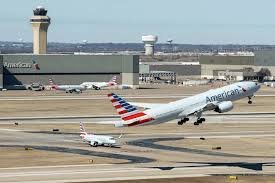
FAA Ground Stop at DFW Airport: What Travelers Need to Know About Flight Delays
Traveling through one of the busiest hubs in the world can be stressful, and nothing adds to that stress quite like seeing a FAA ground stop at DFW Airport on the departure board. If you are currently stranded or planning a trip to Dallas/Fort Worth, understanding what a ground stop is and how it affects your journey is crucial for managing your expectations and your time.
What Exactly is an FAA Ground Stop?
A ground stop is a traffic management measure used by the Federal Aviation Administration (FAA) to temporarily halt departures of aircraft bound for a specific airport. Unlike a cancellation, a ground stop means that planes are held at their origin airport to prevent congestion in the air and on the tarmac at the destination.
When an FAA ground stop at DFW Airport is issued, it means that for a set period, no flights are allowed to take off for Dallas/Fort Worth until the FAA determines it is safe or efficient to resume operations.
Common Reasons for Ground Stops at DFW
Dallas/Fort Worth International Airport is a massive operation, and several factors can trigger a ground stop:
- n
- Severe Weather: North Texas is notorious for sudden thunderstorms, high winds, and severe weather systems that can make landing hazardous.
- Air Traffic Control (ATC) Issues: Equipment failures or staffing shortages at the control tower can lead to temporary halts to ensure safety.
- Airport Emergencies: Runway incursions or emergency aircraft landings may require the airport to stop all incoming traffic.
- Volume Overload: Occasionally, the sheer volume of aircraft arriving simultaneously exceeds the airport’s capacity to handle them safely.
Ground Stop vs. Ground Delay Program: What’s the Difference?
It is easy to confuse these two terms, but they function differently:
- Ground Stop: A complete halt of departures to the destination. It is usually a short-term response to an immediate problem.
- Ground Delay Program (GDP): This is more of a “metering” process. Flights are still allowed to depart, but they are given specific, delayed departure times to spread out the arrival flow.
What Should You Do if Your Flight is Affected?
Finding out there is an FAA ground stop at DFW Airport while you are at the gate can be frustrating. Here are the best steps to take to minimize the chaos:
- Monitor Real-Time Data: Don’t rely solely on airport screens. Use tools like FlightAware or the official airline app for the most accurate updates.
- Communicate with Your Airline: If the delay looks prolonged, check for alternative flights or rebooking options immediately via the airline’s mobile app to avoid long lines at the service desk.
- Check Your Passenger Rights: Depending on the cause of the delay and your airline’s policy, you may be entitled to meal vouchers or hotel accommodations if the stop leads to an overnight delay.
- Stay Hydrated and Patient: Ground stops are implemented for safety. While inconvenient, they prevent dangerous situations in the air.
Conclusion
While an FAA ground stop at DFW Airport is a major inconvenience, it is a vital safety mechanism that keeps the skies safe. By staying informed through official channels and acting quickly with your airline, you can navigate the delay with much less stress.
Safe travels, and may your next flight to Dallas be smooth and on time!



