
The Silent Hero of the Harvest: Understanding Potash
When we think about the food on our tables, we often consider the soil, the water, and the seeds. However, there is an unsung hero in the world of agriculture that ensures our crops are resilient, healthy, and productive: potash.
But what exactly is potash, and why has it become a focal point of global market discussions? Far from being just a chemical compound, potash is a critical mineral that sustains the global food supply chain.
What Exactly is Potash?
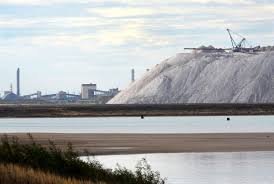
In scientific terms, potash refers to potassium-bearing minerals, most commonly potassium chloride (KCl). It is a naturally occurring salt extracted from ancient evaporite deposits—essentially the remnants of prehistoric seas.
Potassium is one of the three primary macronutrients required by plants, often represented by the ‘K’ in the popular NPK (Nitrogen, Phosphorus, Potassium) fertilizer ratio. While nitrogen fuels growth and phosphorus supports root development, potassium acts as the regulator of the plant’s internal systems.
Why Potash is Essential for Crop Performance
Without sufficient potash, crops struggle to survive environmental stressors. Here is how this vital nutrient transforms agricultural output:
- n
- Water Regulation: Potash controls the opening and closing of stomata (tiny pores in leaves), helping plants manage water loss and resist drought.
- Disease Resistance: By strengthening cell walls, it makes plants less susceptible to pests and fungal infections.
- Quality and Yield: It enhances the size, taste, and nutritional value of fruits and vegetables, leading to higher market value for farmers.
- Stress Tolerance: It allows crops to better withstand extreme temperatures, both heat and cold.
The Economics of Potash: A Global Market Analysis
Because potash is not found everywhere, its production is concentrated in a few key regions, primarily Canada, Russia, and Belarus. This geographical concentration makes potash a highly strategic commodity in the realm of international business.
Fluctuations in the potash market can have a ripple effect on global food prices. When supply chains are disrupted—whether by geopolitical tensions or logistical hurdles—the cost of fertilizer rises, which can ultimately increase the price of staples like corn, wheat, and soy. According to the U.S. Geological Survey (USGS), the strategic management of these mineral resources is essential for long-term economic stability.
Looking Ahead: The Future of Sustainable Fertilization
As the world moves toward more sustainable farming practices, the application of potash is evolving. The industry is shifting toward precision agriculture, where farmers use data and AI to apply the exact amount of potash needed for a specific area of land, reducing runoff and environmental impact.
Moreover, organizations like the Food and Agriculture Organization of the United Nations (FAO) emphasize the need for balanced fertilization to prevent soil degradation and ensure that we can feed a growing global population.
Final Thoughts
Potash may not be a household name, but it is fundamental to the existence of modern civilization. From securing the food supply to driving billions of dollars in trade, this mineral remains a cornerstone of global agriculture. Understanding the dynamics of potash is not just for farmers—it’s for anyone interested in the future of our planet’s food security.



