
Alert: Spotted Lanternfly Detected in Canada – What Every Citizen Needs to Know
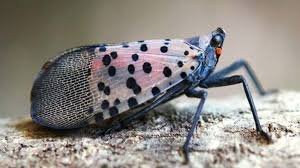
Canada is facing a new environmental challenge. The Canadian Food Inspection Agency (CFIA) has officially confirmed the first “detection” of the spotted lanternfly on Canadian soil. While there have been previous sightings and interceptions, this latest discovery in Windsor, Ontario, marks a critical turning point: the invasive insect is now confirmed to be alive and established in the wild environment.
Why the Spotted Lanternfly is a Major Concern
The spotted lanternfly is not just a nuisance; it is a serious threat to biodiversity and the economy. These insects feed on more than 100 different species of trees and plants. While many plants are affected, the most significant agricultural risk is currently focused on grapes.
For Canada’s thriving wine industry, this is a wake-up call. If the infestation spreads to vineyards, it could lead to devastating crop losses and economic instability for local wineries.
How Does the Lantern Fly Spread?
Unlike some pests that migrate naturally, the spotted lanternfly often relies on human-assisted movement to reach new territories. The CFIA warns that these insects can hitchhike on various items, including:
- n
- Cargo and Shipping Containers: International trade routes are primary pathways.
- Outdoor Equipment: Camping gear, sports equipment, and patio furniture.
- Vehicles: Cars, trucks, trailers, and RVs travelling from infested areas in the United States.
- Plant Materials: Moving infested plants or logs between regions.
The Lifecycle: A Winter Survivor
One of the most dangerous aspects of the spotted lanternfly is its ability to survive the harsh Canadian winter. The insects lay egg masses during the late summer. These masses are resilient enough to withstand freezing temperatures, hatching in the spring to begin a new cycle of infestation.
Take Action: “Spot it, Snap it, Catch it, Report it”
Public vigilance is the best defense against the spread of this invasive species. If you suspect you have found a spotted lanternfly or its egg masses, the CFIA recommends a simple four-step process:
- Spot it: Keep an eye out on trees, plants, and outdoor gear.
- Snap it: Take clear photos or videos of the insect or egg mass.
- Catch it: If possible, capture the insect or scrape the egg mass into a sealable container.
- Report it: Immediately submit your findings to the official authorities.
Protecting Your Property and the Environment
If you are travelling back to Canada from infested regions of the U.S., we strongly urge you to inspect your vehicle, camper, and all outdoor gear before crossing the border. Checking your yard and garden for unusual egg masses can also help stop the spread in your local community.
For more detailed information on identification and reporting, visit the official Canadian Food Inspection Agency (CFIA) website to help keep Canada’s ecosystem safe.



