Understanding Your Options: Navigating the World of COVID Tests
Even as we move further into the post-pandemic era, knowing how to handle a potential infection remains crucial for public health and personal safety. Whether you are traveling, feeling under the weather, or have been exposed to someone with the virus, choosing the right covid test can make all the difference in your peace of mind and medical care.
But with various options available—from pharmacy kits to clinical laboratory visits—it can be confusing. In this guide, we break down the differences between the most common testing methods to help you make an informed decision.
PCR Tests: The Gold Standard of Accuracy
The Polymerase Chain Reaction (PCR) test is widely regarded as the most reliable method for detecting SARS-CoV-2. Unlike rapid tests, PCR tests amplify the virus’s genetic material, allowing them to detect even tiny amounts of the virus in your system.
- Pros: Extremely high sensitivity and accuracy; can detect the virus even before symptoms appear.
- Cons: Longer turnaround time (usually 24-72 hours) and typically requires a healthcare provider for the swab.
- Best for: Confirming a diagnosis, testing early after exposure, or when a high degree of certainty is required.
Rapid Antigen Tests: Speed and Convenience
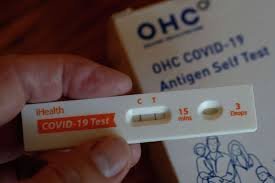
Rapid antigen tests have become the go-to for daily monitoring. These tests look for specific proteins (antigens) on the surface of the virus. They are designed for speed and ease of use, often providing results in 15 to 30 minutes.
- Pros: Fast results, affordable, and can be performed at home without professional help.
- Cons: Less sensitive than PCR tests; higher likelihood of “false negatives,” especially if the viral load is low.
- Best for: People with active symptoms who need a quick answer to isolate immediately.
Comparison Table: Which COVID Test Should I Use?
| Feature | PCR Test | Rapid Antigen Test |
|---|---|---|
| Accuracy | Very High | Moderate |
| Speed | 1-3 Days | 15-30 Minutes |
| Location | Clinic/Lab | Home/Pharmacy |
When Should You Get Tested?
Timing is everything when it comes to a covid test. Taking a test too early can lead to a false negative. Health experts generally recommend testing if:
- You have symptoms: Such as fever, cough, fatigue, or loss of taste and smell.
- You were exposed: If you’ve been in close contact with someone who tested positive, wait 3-5 days after exposure before testing.
- Travel requirements: Check the specific regulations of your destination country.
Final Thoughts on Staying Safe
Regardless of the test you choose, following the guidelines provided by global health authorities is the best way to protect yourself and your community. For the most up-to-date information on variants and testing protocols, we highly recommend visiting the World Health Organization (WHO) or the Centers for Disease Control and Prevention (CDC).
Disclaimer: This content is for informational purposes only and does not substitute professional medical advice. Always consult with a healthcare provider for medical concerns.