Understanding Dengue: A Comprehensive Guide to Prevention and Care
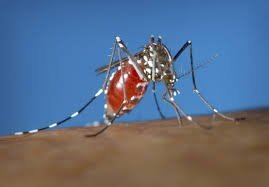
Dengue fever is more than just a seasonal concern; it is a significant global health challenge caused by the dengue virus and transmitted primarily by the Aedes aegypti mosquito. Often referred to as “break-bone fever” due to the severe joint and muscle pain it causes, understanding how to identify and prevent this disease is crucial for your well-being.
What is Dengue Fever?
Dengue is a viral infection common in tropical and subtropical climates. While many people experience mild symptoms or remain asymptomatic, some can develop severe dengue, which can lead to hemorrhagic fever and be life-threatening if not treated promptly. According to the World Health Organization (WHO), millions of people are at risk globally every year.
Key Symptoms to Watch For
Recognizing the signs of dengue early can make a world of difference in recovery. Symptoms usually appear 4 to 10 days after being bitten by an infected mosquito. Keep an eye out for:
- High Fever: A sudden, intense fever that can reach 104°F (40°C).
- Severe Headache: Often concentrated behind the eyes.
- Joint and Muscle Pain: Intense aching in the knees, elbows, and back.
- Nausea and Vomiting: General gastrointestinal distress.
- Skin Rash: Red spots that may appear a few days after the fever starts.
Warning Signs of Severe Dengue
It is critical to seek immediate medical attention if you notice “warning flags,” which typically appear 3-7 days after the first symptoms:
Severe abdominal pain, persistent vomiting, rapid breathing, or bleeding gums.
How to Prevent Dengue: Your Best Defense
Since there is no specific cure for the dengue virus, prevention is the most effective tool we have. The primary goal is to stop the mosquito from breeding and biting.
1. Eliminate Breeding Sites
The Aedes aegypti mosquito breeds in stagnant water. Take these steps around your home:
- Empty flower pots, buckets, and tires where water can collect.
- Keep water storage tanks tightly covered.
- Clean gutters regularly to ensure water flows freely.
2. Protect Your Skin
Reducing the chance of a bite is essential. The Centers for Disease Control and Prevention (CDC) recommends:
- Using EPA-registered insect repellents containing DEET, Picaridin, or Oil of Lemon Eucalyptus.
- Wearing long-sleeved shirts and long pants when visiting high-risk areas.
- Installing screens on windows and doors to keep mosquitoes outside.
Treatment and Recovery
If you suspect you have dengue, the first rule is: Consult a doctor immediately. While there is no specific antiviral medication, management focuses on relieving symptoms:
- Hydration: Drink plenty of fluids (water, coconut water, oral rehydration salts) to prevent dehydration.
- Rest: Allow your body the energy it needs to fight the virus.
- Caution with Medication: Avoid aspirin or ibuprofen (NSAIDs), as these can increase the risk of bleeding. Acetaminophen (Tylenol) is generally recommended for pain and fever.
By staying informed and taking proactive steps to clean our environments, we can significantly reduce the impact of dengue in our communities. Stay vigilant, keep your surroundings dry, and protect your health!