
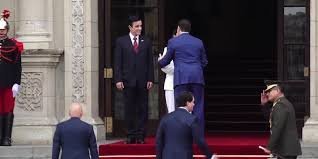
Understanding Military Aid: A Pillar of Global Security and Diplomacy
In an increasingly volatile geopolitical landscape, the term military aid frequently dominates headlines. But beyond the political rhetoric, what does military aid actually entail, and why is it a cornerstone of international relations? Whether it is providing advanced weaponry or offering tactical training, defence assistance plays a critical role in shaping the stability of nations and the balance of global power.
What Exactly is Military Aid?
Military aid refers to the provision of resources by one country to another to strengthen its defence capabilities. This assistance is rarely a simple transaction; it is often a strategic tool used to foster alliances, deter aggression, or support a partner in a conflict.
Typically, military aid is delivered through several primary channels:
- n
- Equipment and Weaponry: The transfer of hardware, ranging from small arms and ammunition to advanced fighter jets and missile defence systems.
- Financial Grants and Loans: Direct funding to help a nation upgrade its military infrastructure or purchase necessary equipment.
- Training and Education: Providing expert personnel to train foreign troops in modern combat tactics, logistics, and strategic planning.
- Intelligence Sharing: The exchange of critical data to help a partner identify and mitigate security threats in real-time.
The Strategic Importance of Defence Assistance
Why do nations invest billions in the defence of others? The motivations are usually a blend of altruism and calculated national interest. By providing military aid, donor nations can achieve several strategic goals:
1. Enhancing Regional Stability
By strengthening the defence capacity of a strategic partner, a donor country can help prevent the collapse of a government or the takeover of a region by hostile forces, thereby avoiding a larger humanitarian crisis.
2. Strengthening Alliances
Military cooperation creates deep bonds between nations. This interdependence ensures that allies are more likely to collaborate on non-military fronts, such as trade and climate policy. Organisations like NATO exemplify how collective defence and mutual aid create a unified security umbrella.
3. Economic Benefits
Often, military aid comes in the form of credits that must be spent on the donor country’s own defence industry. This stimulates domestic job growth and fuels technological innovation within the donor’s aerospace and defence sectors.
The Challenges and Ethical Dilemmas
While the benefits are clear, the deployment of military aid is not without controversy. Critics often point to several risks associated with foreign defence assistance:
- Risk of Escalation: In some cases, flooding a conflict zone with advanced weaponry can prolong a war or lead to an arms race between neighbouring states.
- Human Rights Concerns: There is always the risk that aid provided for “defence” may be misused by a regime to suppress internal dissent or commit human rights violations.
- Dependence: Recipient nations may become overly reliant on a single foreign power, potentially compromising their own sovereign decision-making processes.
Conclusion: Finding the Balance
Military aid remains a complex but indispensable tool of modern diplomacy. When executed with transparency and strict oversight, it can be a powerful force for maintaining peace and protecting democratic values globally. As the world evolves, the focus is shifting towards more sustainable security partnerships that prioritise human rights and long-term stability over short-term tactical gains.
To stay informed about how these policies affect global security, it is essential to follow updates from official bodies such as Global Affairs Canada, which outlines how Canada engages with international security and defence partnerships.



