
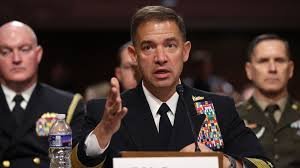
Understanding the Vital Role of the United States Central Command (USCENTCOM)
In the complex landscape of global geopolitics, few organizations carry as much weight and responsibility as the United States Central Command, commonly known as USCENTCOM. As a unified combatant command of the U.S. Department of Defense, its mission extends far beyond simple military presence; it is about maintaining stability in some of the most volatile regions on Earth.
But what exactly does USCENTCOM do, and why is its operation critical for international security? Let’s dive into the details of this strategic powerhouse.
What is USCENTCOM?
The United States Central Command is responsible for overseeing military operations and security cooperation in a vast Area of Responsibility (AOR). This region primarily encompasses the Middle East, Central Asia, and parts of South Asia. By coordinating across multiple branches of the military, USCENTCOM ensures that the United States can respond rapidly to crises and maintain long-term strategic partnerships.
Key Objectives and Responsibilities
The mandate of the United States Central Command is multifaceted, focusing on both proactive diplomacy and reactive defense. Its core objectives include:
- n
- Regional Stability: Preventing the escalation of conflicts that could disrupt global trade and security.
- Counter-Terrorism: Leading efforts to dismantle extremist organizations and prevent the spread of global terrorism.
- Security Cooperation: Building the capacity of partner nations to defend themselves and maintain order within their own borders.
- Humanitarian Aid: Coordinating rapid responses to natural disasters or humanitarian crises within its AOR.
Why It Matters for Global Economy and Politics
The region managed by USCENTCOM is home to some of the world’s most critical energy resources and maritime chokepoints, such as the Strait of Hormuz. Any significant instability in this area can lead to spikes in oil prices and disruptions in the global supply chain.
By maintaining a strategic presence, the United States Central Command acts as a deterrent against aggression, ensuring that international waters remain open and that diplomatic channels stay active even during periods of high tension.
Modern Challenges in a Changing World
Today, the nature of conflict is evolving. USCENTCOM is no longer just dealing with conventional warfare; it is now navigating the realms of cyber warfare, asymmetric threats, and complex diplomatic negotiations. The shift toward “Integrated Deterrence” allows the command to synchronize its efforts with other U.S. government agencies and international allies to achieve peace without necessarily resorting to kinetic action.
Conclusion
The United States Central Command remains an indispensable tool for U.S. foreign policy and global security. Through a combination of military readiness and strategic partnership, USCENTCOM works tirelessly to ensure a more stable and secure world for all.
For more detailed information on official operations and current mandates, you can visit the official USCENTCOM website or explore the broader strategies of the U.S. Department of Defense.



