
The Hidden Cost of Operation Epic Fury: Reality vs. Rhetoric
For months, the official narrative surrounding the military engagements in the Gulf suggested a series of successful interceptions and minimal setbacks. However, a newly released report from the Department of Defense inspector general has shattered that image, painting a grim picture of the losses incurred by US forces during Operation Epic Fury.
The watchdog’s report, covering the period from February 28 to June 30, provides the first official accounting of a conflict that has proven far more costly—both in terms of hardware and human life—than previously acknowledged by Washington.
Staggering Equipment and Infrastructure Losses
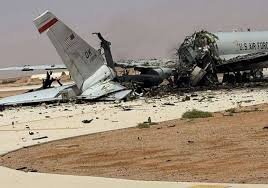
The scale of material loss is unprecedented for this specific operation. According to the report, the US has lost dozens of aircraft, including at least 30 MQ-9 Reaper drones, which are critical for surveillance and precision strikes. But the damage doesn’t stop at the skies.
- n
- Structural Damage: Hundreds of buildings and military structures across the region were either damaged or completely destroyed by Iranian attacks.
- Diplomatic Fallout: US diplomatic facilities in Iraq, Kuwait, Saudi Arabia, and the UAE suffered damages totaling approximately $184 million.
- Specific Hits: The US Embassy in Kuwait City had to suspend operations, while the US Embassy in Riyadh was struck by two Iranian drones.
The Human Toll of the Conflict
Beyond the machinery, the human cost of Operation Epic Fury has been significant. The report confirms that at least 11 US military personnel were killed in action, while another seven died in non-hostile events, including two tragic aircraft crashes in Iraq and the Arabian Sea.
Furthermore, the report reveals that 417 US military personnel were wounded in Iranian attacks by the end of June, highlighting the intensity of the ground and air threats faced by troops in the region.
Logistical Bottlenecks and Political Friction
One of the most contentious revelations in the report is the state of the US munition stockpile. While political leadership has repeatedly claimed that the US possesses “virtually unlimited” ammunition and is producing “Elite Weapons” at record rates, the watchdog tells a different story.
The report explicitly mentions “bottlenecks” in supply chains and a dwindling stockpile of critical munitions. The financial burden is equally epic: an estimated $22 billion was spent on expended munitions alone, contributing to a total war cost of $33 billion in just four months.
Strategic Challenges in the Gulf
Logistics have proven to be a nightmare for US Central Command (CENTCOM). The distance to the support base at Diego Garcia has created grueling 14- to 18-day logistics cycles, complicating the resupply of fleets and forces.
With the Strait of Hormuz—a critical global oil chokepoint—remaining largely blocked, the US and Iran remain locked in a dangerous diplomatic deadlock. As the world watches, the reality of Operation Epic Fury serves as a stark reminder of the complexities and costs of modern asymmetric warfare.



