
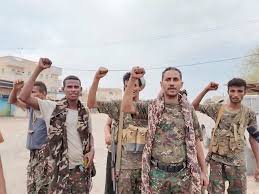
The Geopolitical Chessboard: Yemen, Iran, and Global Stability
The conflict in Yemen has evolved from a localized civil war into a critical focal point of Middle Eastern geopolitics. As the Houthi rebels continue their advance, the world is watching with growing concern. The central question is no longer just about who controls Sana’a, but how this movement aligns with the broader strategic interests of Tehran and the volatile security of the Strait of Hormuz.
The Iran Connection: More Than Just Support
It is widely recognized that the Houthis receive significant backing from Iran, ranging from diplomatic support to advanced drone and missile technology. This partnership creates a strategic “buffer” for Iran, allowing it to exert influence over the Bab el-Mandeb strait—a key maritime gateway.
The potential for an Iran war is often linked to these proxy dynamics. By empowering the Houthis, Iran gains a powerful lever to pressure its regional rivals and the West, effectively extending its reach toward critical trade routes.
Why the Strait of Hormuz is the Ultimate Chokepoint
While the fighting is centered in Yemen, the real economic fear lies in the Strait of Hormuz. As one of the world’s most important oil transit points, any escalation involving Iran could lead to a blockade or increased military tension in the region. This would likely result in:
- Global Energy Shocks: A sudden spike in crude oil prices affecting every economy.
- Supply Chain Disruptions: Delays in shipping and increased insurance costs for maritime trade.
- Military Escalation: Increased naval presence from the US and its allies to ensure freedom of navigation.
What Could Stop the Houthi Advance?
Stopping the Houthi momentum is a complex challenge that requires more than just military intervention. Experts suggest a three-pronged approach:
- Diplomatic Pressure on Tehran: Forging an international consensus to limit the flow of weaponry into Yemen.
- Inclusive Political Dialogue: Creating a sustainable power-sharing agreement that includes all Yemeni factions.
- Humanitarian Aid: Addressing the dire crisis in Yemen to reduce the social grievances that fuel rebel recruitment.
Final Thoughts: A Fragile Balance
The intersection of the Yemeni conflict and the strategic importance of the Strait of Hormuz creates a volatile environment. As the Houthis push forward, the international community must navigate the thin line between containment and escalation to prevent a full-scale regional war.
For further analysis on the current state of Middle Eastern diplomacy, you can explore the latest reports from the Council on Foreign Relations or follow real-time updates via Al Jazeera English.



