
Shelly Headen Under Fire: Controversy Erupts Over Provocative Social Media Posts
The political climate in North Carolina has reached a boiling point following revelations about Shelly Headen, a Democratic candidate for the House. The candidate is currently at the center of a heated debate after social media posts surfaced, allegedly calling for violence against supporters of former President Donald Trump.
The Spark of the Controversy
In an era where digital footprints are permanent, Headen’s online activity has become a focal point for critics. The posts in question have raised serious concerns regarding political rhetoric and the boundaries of discourse in modern American elections. Critics argue that such language undermines democratic stability and incites unnecessary hostility between opposing political factions.
Hugh Hewitt’s Reaction and the Political Fallout
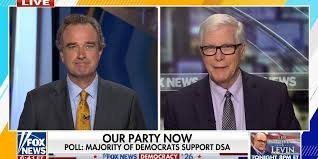
The situation gained national attention when Hugh Hewitt, a prominent contributor to Fox News, reacted to the posts during a recent broadcast. Hewitt expressed sharp criticism, highlighting the danger of normalizing violent rhetoric in political campaigns.
According to Hewitt, the rhetoric used by Shelly Headen is not merely a matter of political disagreement but a concerning escalation that could alienate moderate voters and further polarize the electorate in North Carolina.
A Broader Trend: The Rise of the DSA
Beyond the individual controversy surrounding Headen, the discussion has expanded to the ideological shift within the Democratic Party. During the same analysis, Hewitt pointed to recent polling data suggesting a growing alignment between mainstream Democrats and the Democratic Socialists of America (DSA).
- n
- Ideological Shift: A majority of Democrats in certain polls show support for DSA principles.
- Political Strategy: The intersection of progressive activism and electoral politics is creating new tensions within the party.
- Voter Impact: These trends may influence how candidates like Shelly Headen are perceived by the general public.
What This Means for the North Carolina House Race
As the election approaches, the focus on Shelly Headen’s comments is likely to intensify. For voters, the central question becomes whether such rhetoric is a reflection of a broader movement or an isolated lapse in judgment. In a swing state like North Carolina, these controversies can often shift the needle in tight races.
Stay tuned for further updates on this developing story and the impact of political discourse on the upcoming House elections.



