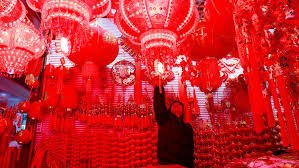
Welcoming the Year of the Fire Horse: Lunar New Year 2026
Get ready to celebrate! The Lunar New Year, widely considered the most important holiday in China and across Chinese communities globally, is almost here. Marking the first new moon of the lunar calendar, the festivities kick off on February 17, 2026, ushering in the 15-day Spring Festival. Whether you’re new to the traditions or looking for a refresher, this guide will prepare you for a joyous celebration.
Understanding the Lunar Calendar & the Zodiac
The Chinese zodiac operates on a 12-year cycle, each year represented by an animal: Rat, Ox, Tiger, Rabbit, Dragon, Snake, Horse, Goat, Monkey, Rooster, Dog, and Pig. 2026 welcomes the Year of the Horse, meaning many ‘Horses’ will be born this year! Those born in the previous cycle were Snakes, and those born in 2027 will be Goats.
Each year also combines a heavenly stem (one of five elements – wood, fire, earth, metal, and water, categorized as yin or yang) with an earthly branch (one of the 12 zodiac animals). 2026 is the Year of the Fire Horse – a combination believed to bring a dynamic and energetic year.
Luck & Fortune: The Role of Tai Sui
Followers believe that luck in the coming year is heavily influenced by the positions of the Tai Sui – stellar deities thought to rotate alongside Jupiter. Geomancy masters interpret these positions to predict the year’s fortunes for each zodiac sign. Visiting a temple to receive blessings based on your sign is a common practice during this time.
The Legend of Nian: A Tale of Courage & Tradition
One of the most beloved Lunar New Year folktales is the story of Nian, a ferocious beast that terrorized villages every New Year’s Eve. A clever old man tricked Nian by using red banners, firecrackers, and red clothing, scaring the beast away. This is why these elements remain central to Lunar New Year celebrations today!
Preparing for the New Year: Traditions & Superstitions
Lunar New Year preparations begin a week before the actual date. Here are some key traditions:
- Festive Cakes & Puddings (Gao/Gou): Eating these treats symbolizes growth and improvement in the coming year.
- Fai Chun/Chunlian (Red Banners): Hanging these banners with auspicious phrases invites good fortune and wards off Nian.
- Thorough Cleaning: Ridding your home of bad luck from the previous year.
- Avoid Washing Hair: The Chinese character for ‘hair’ is part of the word for ‘prosperity,’ so washing it is seen as washing away good fortune.
The Reunion Dinner & Festive Feasts
Lunar New Year’s Eve culminates in a grand family reunion dinner. The menu is carefully chosen to include symbolic dishes:
- Fish: Represents surplus and abundance.
- Puddings: Symbolize advancement.
- Dumplings: Resemble gold ingots, representing wealth.
Regional variations abound, with northern China favouring dumplings and noodles, while the south prefers steamed rice. Outside of China, traditions like the Malaysian and Singaporean ‘prosperity toss’ (Yusheng) add unique flair.
Days of Celebration & Unique Customs
The first few days are filled with visiting family and friends, exchanging gifts, and giving red envelopes (hongbao/lai see) filled with money to children and unmarried individuals. Other notable days include:
- Chi Kou/Cek Hau (Red Mouth – Day 3): A day believed to be prone to arguments, so some avoid social interactions.
- Renri/Jan Jat (People’s Birthday – Day 7): Celebrates the creation of humanity with special ‘birthday’ foods.
The Grand Finale: The Lantern Festival
The 15th and final day, the Lantern Festival (March 3, 2026), marks the end of the Spring Festival. People light lanterns to symbolize hope and drive away darkness. Historically, it was a time for young people to meet, earning it the nickname ‘Chinese Valentine’s Day.’ Today, cities worldwide host stunning lantern displays and fairs.
Learn more about the Lunar New Year traditions at CNN Travel.