
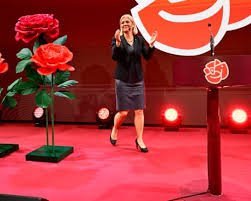
A Nation on Edge: The High-Stakes Race for Sweden’s Parliament
In a result that can only be described as a political nailbiter, the latest projections from the Sweden elections have left the country in a state of suspense. With the majority of votes counted, the margin between the opposing blocs is so slim that a single mandate could decide the future of the nation’s governance.
As of the latest updates, the centre-left bloc, led by Magdalena Andersson, is clinging to a precarious lead. Projections indicate a split of 175 seats for the opposition bloc versus 174 for the governing centre-right coalition. With approximately 89% of the votes tallied, the probability of this outcome is high, but the final verdict remains elusive until every single ballot is counted—a process expected to stretch until Wednesday.
The Battle of Visions: Andersson vs. Kristersson
The atmosphere is electric as the two primary contenders offer starkly different interpretations of the current landscape:
- Magdalena Andersson: The Social Democratic leader has expressed cautious optimism, stating that if these results hold, “Sweden will have a new government.” She has called for a “new spirit of cooperation,” emphasizing that a one-seat majority is sufficient to lead the country effectively.
- Ulf Kristersson: The current Prime Minister is urging patience. Kristersson has cast doubt on the left-leaning bloc’s ability to actually form a cohesive government, arguing that their internal differences on economic policy are irreconcilable. He suggests that the results demonstrate a public rejection of a hard shift to the left.
Shifting Tides: Winners and Losers
Beyond the main struggle for power, the Sweden elections have revealed significant shifts in the political appetite of the electorate. One of the most notable trends is the apparent decline of the far-right Sweden Democrats. While still influential, they appear to have lost support compared to 2022, potentially losing their status as the second-largest party to Kristersson’s Moderates.
Conversely, the Left Party has seen a surge in support. Led by Nooshi Dadgostar, the party has jumped from 6.75% in 2022 to a projected 8.1%, signaling a growing demand for more progressive policies among Swedish voters.
What Happens Next? The Road to Government Formation
Winning the most seats is only half the battle. In the complex world of parliamentary politics, the real challenge is forming a workable majority. The fragmentation of votes means that the government formation process could take weeks, if not months.
The critical question remains: Can the centre-left parties set aside their differences to create a stable manifesto? With the Centre Party previously ruling out cooperation with the far-left, and the Left Party refusing to support any government they aren’t part of, the road to power is fraught with obstacles.
For more in-depth analysis on European political trends, you can follow live updates from Reuters or the BBC News international section.
- Current Projection: Centre-left 175 vs. Centre-right 174.
- Final results are not expected until Wednesday.
- Sweden Democrats see a dip in support; Left Party sees a gain.
- Government formation may be delayed due to ideological friction.



