
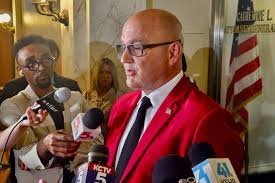
The Unsung Heroes: Understanding the Critical Role of the Election Official in Modern Democracy
When we think about elections, our minds often jump to the candidates, the heated debates, and the act of casting a ballot. However, behind every seamless voting day is a dedicated election official working tirelessly behind the scenes. These individuals are the architects of democracy, ensuring that every legal vote is counted and that the process remains transparent, secure, and fair.
What Exactly Does an Election Official Do?
The role of an election official goes far beyond simply handing out ballots on a Tuesday in November. Their responsibilities are year-round and multifaceted, involving a complex mix of logistics, law, and technology. Key duties include:
- n
- Voter Registration Management: Maintaining accurate voter rolls to ensure eligibility and prevent fraud.
- Logistics and Planning: Securing polling locations, managing equipment, and coordinating the transportation of ballots.
- Training Poll Workers: Educating thousands of temporary staff on how to assist voters and operate machinery correctly.
- Security Oversight: Implementing rigorous protocols to protect voting machines from cyber threats and physical tampering.
- Certification: Overseeing the counting process and certifying the final results in accordance with state and federal laws.
The Modern Challenges of Election Administration
In recent years, being an election official has become an increasingly challenging task. The intersection of high-stakes politics and the digital age has created a new set of pressures.
The Fight Against Misinformation
One of the biggest hurdles is the spread of misinformation. Election officials often find themselves in the position of “fact-checkers-in-chief,” spending significant time debunking myths about voting machines or registration processes to maintain public trust.
Cybersecurity Threats
As voting systems become more digitized, the threat of cyberattacks looms. Officials must work closely with agencies like the Cybersecurity & Infrastructure Security Agency (CISA) to harden defenses and ensure that the digital infrastructure of our democracy is impenetrable.
Why Their Work Matters for Every Citizen
The integrity of a democracy relies entirely on the perceived and actual fairness of its elections. When an election official performs their job with precision and transparency, they are not just managing a process—they are safeguarding the fundamental right of every citizen to have their voice heard.
Without these professionals, the transition of power would be chaotic, and the legitimacy of elected leaders would be in constant question. Their commitment to non-partisanship and accuracy is what allows a diverse society to resolve its differences through the ballot box rather than through conflict.
How You Can Support Your Local Election Officials
Most people only interact with election administration once every few years, but there are ways to support these essential workers:
- Become a Poll Worker: Most jurisdictions are always looking for volunteers to help on election day.
- Stay Informed via Official Sources: Get your voting information from USA.gov rather than social media.
- Practice Patience and Respect: Remember that the people staffing your polling place are often neighbors and volunteers doing their best to serve the community.
Conclusion: The next time you head to the polls, take a moment to appreciate the election official making it all possible. Their dedication is the silent engine that drives our democratic society forward.



