
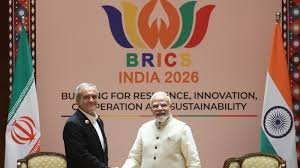
Who is Masoud Pezeshkian? Understanding the New Face of Iranian Leadership
The political climate in the Middle East is often volatile, but the election of Masoud Pezeshkian as the President of Iran marks a pivotal moment in the nation’s recent history. A cardiac surgeon by profession and a reformist by political inclination, Pezeshkian enters office during a period of intense economic pressure and social unrest.
Unlike some of his predecessors, Pezeshkian has campaigned on a platform of moderate diplomacy and internal reform, aiming to bridge the gap between the Iranian government and its citizens, as well as the international community.
The Path to the Presidency
Masoud Pezeshkian’s journey to the presidency is not just a political victory but a symbolic one. His background in medicine reflects a pragmatic approach to problem-solving, which he intends to apply to the state’s governance. His victory suggests a desire among the Iranian electorate for a leader who can navigate the complexities of the current geopolitical landscape while easing social restrictions.
Key Pillars of Pezeshkian’s Agenda
To understand the potential impact of his presidency, it is essential to look at his primary goals:
- n
- Diplomatic Rapprochement: Pezeshkian has expressed a willingness to engage with Western powers to lift crippling economic sanctions.
- Economic Stabilization: Addressing inflation and unemployment is a top priority to prevent further social instability.
- Social Liberalization: There are hopes that his administration will move toward a more relaxed approach regarding social liberties and women’s rights.
- Regional Stability: Reducing tensions with neighboring countries to foster trade and security.
The Challenges Ahead: Can He Deliver?
Despite the optimism, Pezeshkian faces significant hurdles. The ultimate authority in Iran remains with the Supreme Leader, and any significant reform must be approved by the clerical establishment. This creates a tension between the reformist desires of the people and the conservative constraints of the state.
Furthermore, the global community remains skeptical. For the international community, the true measure of Pezeshkian’s success will be concrete actions regarding the nuclear program and human rights improvements.
Conclusion: A Balancing Act
Masoud Pezeshkian represents a glimmer of hope for those seeking a more open and prosperous Iran. Whether he can successfully balance the demands of the hardline establishment with the needs of a modernizing population remains to be seen. However, his presidency undoubtedly signals a shift in tone that could redefine Iran’s role on the global stage.



