The Clock is Ticking: Why a Mexico US Trade Deal is Now Urgent
In a high-stakes diplomatic sprint, the United States and Mexico are racing to secure a bilateral trade agreement before the upcoming U.S. midterm elections. With less than eight weeks until the November 3rd vote, leaders in both Washington and Mexico City see a narrow window of opportunity to clinch a deal that could reshape the economic landscape of North America.
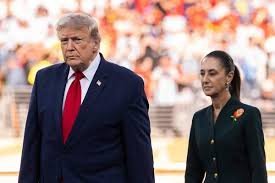
For President Donald Trump and President Claudia Sheinbaum, the motivation is twofold: economic stability and political optics. A successful Mexico US trade deal would allow both leaders to claim a significant victory amidst domestic political pressures and economic volatility.
A Tale of Two Neighbours: Mexico’s Strategy vs. Canada’s Collapse
The urgency in Mexico City has been amplified by the recent and dramatic collapse of trade negotiations between Washington and Ottawa. While Canada and the U.S. have plunged into a bitter tariff dispute—resulting in U.S. bans on Canadian dairy, alcohol, and motorcycles—Mexico is adopting a starkly different approach.
Mexican officials are pursuing a strategy of cooperation, described by insiders as “playing nice.” By avoiding direct confrontation and offering concessions, Mexico hopes to secure tariff relief that Canada has failed to obtain. This pragmatic pivot is critical, as Mexico currently sends over 80% of its exports to its northern neighbour.
The Core Conflict: Section 232 Tariffs and the Auto Industry
At the heart of the negotiations are the controversial Section 232 tariffs, which were imposed on the grounds of national security. Currently, these tariffs impose heavy burdens on essential goods:
- n
- Steel and Aluminum: Facing tariffs as high as 50%.
- Automobiles: Subject to a 25% duty.
Industry insiders suggest that Washington may offer Mexico a framework similar to what was previously discussed with Canada: a base 15% tariff on vehicle imports, potentially dropping to an effective rate of around 7% if specific U.S. content requirements are met. In exchange, Mexico is expected to increase the use of American-made engines, electronics, and software in its vehicles.
The China Factor and Investment Security
Beyond tariffs, the U.S. is pushing Mexico to tighten its scrutiny of foreign investments, particularly those originating from China. In response to this pressure, President Sheinbaum has proposed legislation that would grant the Mexican government new powers to review and block foreign acquisitions of domestic companies.
This move creates an investment-screening regime similar to those already in place in the U.S. and Canada, signaling Mexico’s willingness to align more closely with U.S. strategic interests to ensure the success of the Mexico US trade deal.
What This Means for the USMCA
While the USMCA (United States-Mexico-Canada Agreement) remains in effect, its future is clouded. The Trump administration has used the annual review process to demand further concessions, leaving the trilateral pact in a state of uncertainty.
By pursuing an interim bilateral deal, Mexico is hedging its bets—securing its own economic interests while the broader three-country agreement is renegotiated. For the U.S., a bilateral win could lower consumer prices and serve as a political tool to suggest that the failure to reach a trilateral agreement rests solely with Canada.
Key Takeaways for Investors and Businesses
- Market Reassurance: A deal would likely stabilize Mexico’s credit ratings and reassure international investors.
- Supply Chain Shifts: Increased U.S. content requirements may force automakers to reorganize their supply chains.
- Geopolitical Realignment: The shift toward bilateralism may weaken the traditional North American trilateral unity.