Canada’s Olympic Performance: A Cause for Concern as 2026 Approaches
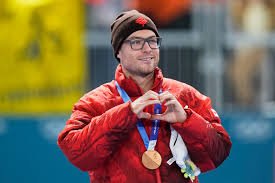
Laurent Dubreuil’s bronze medal in the men’s 500-metre speed skating race offered a moment of celebration, adding to the silver he secured in Beijing. However, his post-race reality highlighted a deeper issue plaguing Canadian Olympic athletes: financial strain. Dubreuil’s decision to remain in Europe, rather than return home, was driven by the need to avoid out-of-pocket expenses for the upcoming World Championships in Heerenveen, Netherlands. A situation, he pointedly noted, a Dutch skater would never face.
A Recurring Warning: Funding Shortfalls Threaten Canada’s Olympic Future
This incident echoes a familiar refrain from the Canadian Olympic Committee (COC). As far back as spring 2024, COC president David Shoemaker warned of a looming “crisis” in sports funding. While Canada enjoyed a successful Summer Olympics in Paris shortly after, the underlying concerns for winter sports remain. Shoemaker cautioned that without a change in funding, winter sports programs would face “real problems” two years later – a timeframe we’ve now reached.
Current Medal Count and a Concerning Trend
As of Saturday’s events, Canada’s medal count stands at eight, five fewer than at the same point in Beijing. More alarmingly, none of those medals are gold. Canada currently ranks 18th on the IOC’s official medal table, a far cry from the top-five finish initially anticipated, and a significant drop from previous performances.
While luck undoubtedly plays a role – as seen with Mikaël Kingsbury’s tie for first place resulting in a silver medal – a pattern of disappointment suggests systemic issues.
The Aging Athlete and Lack of Emerging Talent
The average age of Canada’s medalists thus far is 29, indicating a program nearing the end of its prime. The lack of younger athletes stepping up to replace seasoned veterans like Laurent Dubreuil, who is 33, is a worrying sign. William Dandjinou, touted as a potential star, has yet to deliver on expectations, adding to the sense of a program struggling to maintain its momentum.
Funding Models: Government Support vs. Private Sector Reliance
The question of how to address these challenges boils down to funding. Should the COC rely solely on private sector fundraising, or should the government increase its investment? The pre-Vancouver 2010 model, with increased government support, demonstrably elevated Canada’s Olympic performance for nearly two decades. Since then, Canada’s gold medal totals in Winter Games have steadily declined: 14, 10, 11, 4, and currently, 0.
Beyond the Medals: The Cultural Significance of the Olympics
While Olympic success isn’t the sole measure of a nation’s worth, the Games undeniably play a unique role in fostering national pride and unity. Unlike countries like Spain and Brazil, which have the World Cup, Canada lacks a comparable event to capture the national imagination.
The debate isn’t simply about funding an athlete’s hotel room; it’s about preserving a source of national identity and collective experience. As Canada navigates the challenges facing its Olympic program, it must consider not only the pursuit of medals but also the broader cultural value of the Games. The future of Canada’s Olympic program, and its ability to inspire a nation, hangs in the balance as we look towards 2026.
Source: The Globe and Mail