
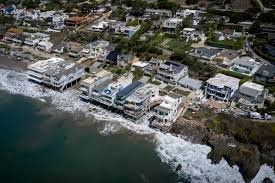
The Hidden Danger: Understanding the Malibu Sinkhole Phenomenon
Malibu is world-renowned for its breathtaking beaches, luxury estates, and stunning cliffside views. However, beneath this picturesque surface lies a complex and often unstable geological foundation. In recent years, the appearance of Malibu sinkholes and sudden land subsidence has raised concerns among residents, urban planners, and geologists alike.
But what exactly causes the ground to give way in one of the most expensive zip codes in the United States? To understand the risk, we must look at the intersection of geography, weather, and human infrastructure.
What Causes Sinkholes in Malibu?
Unlike sinkholes in Florida, which are typically caused by dissolving limestone (karst topography), the instability in Malibu is often linked to a combination of coastal erosion and soil saturation. Several key factors contribute to this phenomenon:
- n
- Heavy Rainfall: Intense winter storms lead to soil saturation. When water infiltrates the ground, it can wash away subsurface sediments, creating voids that eventually collapse.
- Coastal Erosion: The relentless action of the Pacific Ocean undercuts the cliffs, weakening the structural integrity of the land above.
- Geological Composition: The region consists of fragmented sedimentary rock and loose soil, which are naturally more prone to landslides and subsidence.
- Human Intervention: Improper drainage systems or heavy construction on unstable slopes can accelerate the process of soil failure.
The Impact on Infrastructure and Safety
A Malibu sinkhole is more than just a geological curiosity; it is a significant threat to public safety. When the ground collapses, it can take down roads, utility lines, and even entire residential structures. The unpredictability of these events makes them particularly dangerous, as the surface may appear stable until the moment of failure.
Local authorities often monitor these areas closely, especially during the rainy season, to prevent catastrophes. For a deeper understanding of how earth movements work, the U.S. Geological Survey (USGS) provides extensive data on landslide and subsidence risks across California.
Warning Signs: How to Identify Ground Instability
While some sinkholes appear instantly, many provide subtle warnings. Homeowners and visitors in the area should be alert to the following signs:
- New Cracks: Sudden cracks appearing in foundations, sidewalks, or driveways.
- Tilting Structures: Fences, utility poles, or trees that begin to lean unexpectedly.
- Depressions: Small dips or “puddles” forming in areas where the ground was previously flat.
- Door and Window Misalignment: Doors that suddenly stick or windows that won’t close properly due to structural shifting.
Prevention and Mitigation Strategies
Reducing the risk of a Malibu sinkhole requires a proactive approach to land management. Engineers and geologists recommend several mitigation strategies to stabilize the coast:
- n
- Improved Drainage: Installing advanced runoff systems to prevent water from pooling and eroding subsurface soil.
- Retaining Walls: Building reinforced sea walls and retaining structures to combat coastal undercut.
- Vegetation Planting: Using deep-rooted native plants to help bind the soil together naturally.
- Regular Geological Surveys: Conducting periodic soil tests and LiDAR mapping to detect subsurface voids before they collapse.
Final Thoughts
The beauty of Malibu is inseparable from its rugged, wild geography. While the threat of sinkholes and landslides is a reality of living on the edge of the continent, understanding the science behind these events allows for better preparation and safer urban development. Staying informed and respecting the power of nature is the best way to preserve the magic of the California coast.



