More Than a Game: Derek Jeter, George W. Bush, and the 2001 World Series That Healed a Nation
In the autumn of 2001, the United States was a country draped in mourning and uncertainty. The scars of the September 11 terror attacks were still raw, and the city of New York, in particular, was struggling to find its footing amidst the rubble of Lower Manhattan. However, sports have a unique way of providing solace when words fail, and the 2001 World Series became a pivotal symbol of American resilience.
A Moment of Unity: The First Pitch
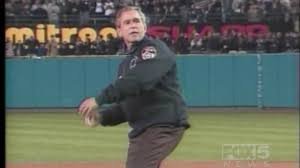
On October 30, 2001, Yankee Stadium became the epicenter of a national healing process. In a gesture designed to instill hope and unity, then-President George W. Bush stepped onto the pitcher’s mound to throw the first pitch of the World Series between the Arizona Diamondbacks and the New York Yankees.
The atmosphere was electric yet tense. For security reasons, the Secret Service advised the President to wear a bullet-proof vest beneath his clothing—a stark reminder of the vulnerability the nation felt at the time. Despite the pressure, Bush delivered a strike over home plate, sparking a roar from the crowd that signaled a collective desire to move forward.
The Role of Derek Jeter and the New York Yankees
While the President provided the political symbol of strength, Derek Jeter and the New York Yankees provided the emotional heartbeat for the city. As the captain and face of the franchise, Jeter embodied the professionalism and perseverance that New Yorkers admired. For fans, watching Jeter lead the team onto the field was more than just a baseball game; it was a sign that life in the city could return to a semblance of normalcy.
The intersection of political leadership and sporting excellence during this series helped bridge the gap between tragedy and recovery, proving that the spirit of the “Bronx Bombers” and the resilience of New York were unbreakable.
Remembering the Tragedy of 9/11
To understand the weight of that first pitch, one must recall the devastation of September 11, 2001. Coordinated suicide attacks by al-Qaeda militants led to the hijacking of four commercial airliners:
- n
- The Twin Towers: Two planes struck the World Trade Center in NYC, leading to the collapse of both skyscrapers.
- The Pentagon: A third aircraft struck the military headquarters in Arlington, Virginia.
- Flight 93: Brave passengers fought back against hijackers, causing the plane to crash in a field in Shanksville, Pennsylvania, saving countless lives on the ground.
Nearly 3,000 lives were lost, fundamentally changing how the world views safety, security, and global policy.
A Lasting Legacy of Security and Hope
The events of 2001 led to permanent changes in American life. From the creation of the Department of Homeland Security to the rigorous security protocols we now experience at airports and major sporting events, the world was reshaped.
Yet, the image of George W. Bush’s pitch and the determination of athletes like Derek Jeter remain as reminders that even in the darkest hours, unity and courage can light the way toward recovery. For more information on the victims and the history of the attacks, visit the 9/11 Memorial & Museum.