
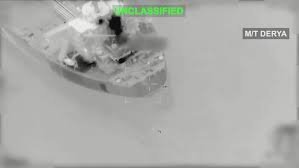
The Hidden Game of Global Energy: Understanding Iranian Oil Tankers
In the high-stakes world of global geopolitics, few things are as clandestine and consequential as the movement of Iranian oil tankers. For years, a complex game of cat-and-mouse has played out across the oceans, involving secret transfers, disabled tracking systems, and a phenomenon known as the “ghost fleet.”
But why does this matter to the average observer, and how does it influence the energy markets in North America and beyond?
What is the “Shadow Fleet”?
To circumvent international sanctions, Iran has developed a sophisticated network of tankers that operate outside the traditional regulatory framework. This “shadow fleet” employs several tactics to avoid detection:
- n
- AIS Spoofing: Tankers often turn off their Automatic Identification System (AIS) or broadcast false locations to hide their true destination.
- Ship-to-Ship (STS) Transfers: Oil is often transferred between tankers in open waters, far from port authorities, to obscure the origin of the crude.
- Complex Ownership: Ships are frequently registered under shell companies in various jurisdictions to mask the ultimate beneficiary.
The Geopolitical Tug-of-War
The activity of Iranian oil tankers is not just a matter of trade; it is a central pillar of diplomatic tension. The United States and other global powers use sanctions to pressure the Iranian government, while Iran views the export of its natural resources as a sovereign right and an economic necessity.
This tension often centers around the Strait of Hormuz, one of the world’s most critical oil chokepoints. Any disruption in this narrow waterway can lead to immediate spikes in global oil prices, affecting everything from gasoline costs in Canada to industrial manufacturing worldwide.
Impact on Global Energy Security
The persistence of these clandestine shipments suggests that the global demand for energy often outweighs the strict enforcement of political sanctions. According to reports from the International Energy Agency (IEA), the stability of energy markets relies heavily on transparent trade flows.
When a significant portion of the world’s oil is moved via “ghost ships,” it creates several risks:
- Environmental Hazards: Shadow tankers are often older, poorly maintained, and lack proper insurance, increasing the risk of catastrophic oil spills.
- Market Volatility: Unreported oil volumes make it difficult for analysts to accurately predict supply and demand.
- Legal Gray Zones: The use of shell companies complicates maritime law and international enforcement.
Conclusion: A Fragile Balance
The saga of Iranian oil tankers is a vivid reminder of how energy, politics, and economics intersect. While sanctions aim to isolate, the necessity of oil creates a resilient—albeit hidden—infrastructure of trade. As the world transitions toward greener energy, the strategic importance of these maritime routes remains a critical point of observation for global security experts.
For more real-time updates on global trade and maritime security, you can follow the latest reports on Reuters.



