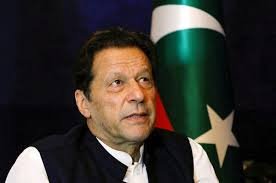
Imran Khan: From Cricket Icon to Political Prisoner
Imran Khan, a name synonymous with both sporting glory and Pakistani politics, has experienced a dramatic fall from grace. Once a celebrated cricketer who led Pakistan to victory in the 1992 Cricket World Cup, Khan transitioned into a powerful political force, eventually becoming Prime Minister in 2018. His journey, however, has been marked by controversy, accusations of corruption, and now, arrest and legal battles. This article delves into the life, career, and current predicament of Imran Khan.
Early Life and Cricket Career
Born in Lahore, Pakistan, in 1952, Imran Khan Niazi received his education at Aitchison College, Lahore, and later at Keble College, Oxford. He quickly rose to prominence as a fast bowler for the Pakistani national cricket team. Known for his charismatic personality and aggressive playing style, Khan became a national hero, captaining the team to its first and only World Cup victory in 1992. His cricketing achievements earned him international recognition and a devoted following.
Entry into Politics and Rise to Power
Khan’s foray into politics began in 1996 with the establishment of the Pakistan Tehreek-e-Insaf (PTI), or Pakistan Movement for Justice. Initially struggling to gain traction, PTI gradually gained momentum through its anti-corruption platform and appeal to a younger, more educated electorate. Khan positioned himself as an outsider, challenging the established political dynasties that had long dominated Pakistani politics. His persistent campaigning and populist rhetoric resonated with many, leading to significant gains in the 2013 general election.
In 2018, PTI secured a landslide victory, and Imran Khan was sworn in as Prime Minister of Pakistan. His government focused on austerity measures, anti-corruption initiatives, and improving social welfare programs. However, his tenure was also marked by economic challenges and criticism over his handling of various issues.
Recent Arrest and Legal Challenges
In May 2023, Imran Khan was arrested by the National Accountability Bureau (NAB) on corruption charges related to the Al-Qadir Trust case. The arrest sparked widespread protests across Pakistan, with supporters of Khan taking to the streets to denounce what they called a politically motivated crackdown. The case revolves around allegations that Khan and his wife, Bushra Bibi, illegally acquired land for a trust that was intended to build a university.
Khan has consistently denied the charges, claiming they are fabricated by his political opponents, particularly the current government led by Prime Minister Shehbaz Sharif. He alleges a conspiracy to disqualify him from participating in upcoming elections. The legal proceedings are ongoing, and Khan faces multiple other cases, including charges related to inciting violence and violating the Official Secrets Act. For more information on the legal proceedings, see [Dawn News](https://www.dawn.com/).
Future Prospects and Political Impact
The future of Imran Khan and the PTI remains uncertain. His arrest and ongoing legal battles have significantly complicated his political prospects. While his supporters remain fiercely loyal, his ability to effectively lead the party from prison is questionable. The upcoming general elections will be a crucial test of PTI’s strength and popularity.
Regardless of the outcome, Imran Khan has left an indelible mark on Pakistani politics. He challenged the traditional power structures, mobilized a new generation of voters, and forced a reckoning with issues of corruption and accountability. His story serves as a reminder of the volatile and unpredictable nature of Pakistani politics. Further analysis can be found at [Al Jazeera](https://www.aljazeera.com/).