
The Perfect Storm: Why Oil Prices Are Skyrocketing
For millions of drivers and businesses worldwide, the numbers at the gas pump are becoming increasingly alarming. Oil prices have surged to levels not seen in months, driven by a volatile cocktail of geopolitical warfare, strategic blockades, and diplomatic failures in the Middle East.
As the conflict between the United States and Iran enters a dangerous stalemate, the global energy market is feeling the heat. With the benchmark Brent crude hovering around $97 a barrel and West Texas Intermediate (WTI) crossing the $92 mark, the world is witnessing a structural shift in how energy security is managed.
The Choke Point: The Strait of Hormuz Crisis
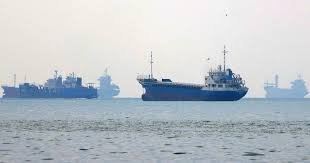
At the heart of the price hike is the Strait of Hormuz, one of the most critical maritime arteries in the world. Recent hostilities have turned this waterway into a combat zone. The U.S. military recently disabled three Iranian oil tankers in retaliation for ballistic missile attacks, while Tehran has threatened to establish a “maritime exclusion zone,” effectively blocking unauthorized transit.
This volatility is not just a local issue. According to the Reuters news agency, traffic through the strait has plummeted to its lowest levels since May, creating a supply vacuum that directly inflates global oil prices.
Beyond the Strait: The Red Sea and Houthi Aggression
The instability extends further south to the Bab al-Mandab Strait. Iran-backed Houthi rebels in Yemen have launched targeted strikes against Saudi Arabia, including facilities owned by the oil giant Aramco. This dual-front instability—blocking both the Persian Gulf and the Red Sea—has left global supply chains in a state of fragility.
- n
- Shipping Fragility: The Global Shipping Group (a consortium of 18 nations) warns that these are not “episodic shocks” but a structural shift in global trade.
- Economic Warfare: The use of “maritime exclusion zones” and targeted strikes on tankers is redefining modern economic warfare.
- Consumer Impact: In the US, regular gasoline prices have reached an average of $4.15 per gallon, threatening record-breaking costs.
Can Diplomacy Lower the Cost of Energy?
Is there a way out? Qatar is currently working closely with China to resume diplomacy. As one of Iran’s primary trade allies—purchasing nearly 45% of Tehran’s oil—China holds significant leverage to bring both parties back to the negotiating table.
However, the path to stability is steep. The International Energy Agency (IEA) often emphasizes that energy market stability requires predictable policy and open trade routes—two things currently missing in the Middle East.
Final Thoughts: The Road Ahead for Oil Markets
While some political leaders predict a precipitous drop in oil prices following a potential military victory, history suggests that energy markets react more favorably to stability and diplomacy than to escalation.
Until a permanent ceasefire or a diplomatic breakthrough is reached regarding the Strait of Hormuz, consumers should prepare for continued volatility. The intersection of geopolitical ambition and energy dependence ensures that the price of a barrel of oil remains a barometer for global peace.



