Julius Erving: The Enduring Legacy of ‘Dr. J’ and the ABA
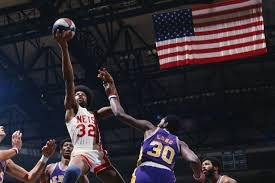
Throughout basketball history, few players have been as transformative a talent and cultural figure as NBA Hall of Famer Julius Erving, affectionately known as “Dr. J.” Decades after his 1987 retirement, footage of his thunderous dunks, stylish finger rolls, and suave demeanor continue to captivate basketball fans worldwide.
From ABA Pioneer to Sixers Champion
Dr. J first rose to prominence in the American Basketball Association (ABA), but his impact extended far beyond that league. He ultimately delivered an NBA title to Philadelphia in 1983, a moment etched in the memories of Sixers fans. The city’s passionate fanbase famously chanted, “You owe us one,” after several heartbreaking playoff losses between 1977 and 1982. Erving recalled the frustration, stating, “I was getting pissed. I was not happy with the situation.”
The debt was finally “Paid in full” in 1983 when Erving, alongside fellow Hall of Famer Moses Malone, swept the Los Angeles Lakers in the NBA Finals. The roar of the crowd, echoing those long-awaited words, solidified his legendary status in Philadelphia.
Inspiring Generations
Erving’s surgical dissection of opposing defenses, alongside fellow NBA star David Thompson, inspired a generation of players, including Michael Jordan and Kobe Bryant. However, his legacy was cemented long before he graced the floors of Philadelphia’s Spectrum. His early career began in April 1971 when he signed with the Virginia Squires of the ABA.
The ABA: A League Ahead of Its Time
In five seasons with the ABA, Erving secured two championships and three MVP awards. He joined ABA greats like Rick Barry, Artis Gilmore, Connie Hawkins, and Spencer Haywood, becoming a face of a league that would merge with the NBA in 1976. This merger brought a new era of fast-paced, high-flying action to the NBA, introducing innovations like the three-point line, the dunk contest, and the ability for underclassmen to sign directly to the NBA.
‘Soul Power’: A New Docuseries Celebrates the ABA
The legacy of these ABA pioneers is now the focus of the new sports docuseries, Soul Power: The Legend of the American Basketball Association. Erving expressed his excitement about the series, stating, “It just sets the stage for the memories that I have, the friendships that were developed, and the history that was established with the ABA.”
Directed by Emmy-winning Kenan K. Holley, the four-part series, which premiered on Amazon Prime Video, chronicles the ABA’s formation, triumphs, and challenges during the late 1960s and ’70s. Holley aimed to create a “player-driven” story, debunking the notion that the ABA was an inferior league.
“Amazon executives saw the vision. They saw the ABA story was worth telling, and told us to lean into the characters,” Holley explained. “That gave my team the North Star creatively.”
Addressing Past Injustices
Soul Power highlights the intense rivalry between ABA and NBA players, the personal and financial struggles faced by ABA stars, and the league’s early advancements in women’s team ownership. The series also showcases the dedication of players like Erving who fought to keep the league afloat despite facing disinvestment. Holley emphasized the importance of earning the trust of ABA legends like George Karl and Barry to accurately portray the league’s history.
For Erving, being a leading voice in the series and receiving an executive producer credit was a “gift.” He’s proud that the project reflects the brotherhood shared among the ABA pioneers. “It was a one for all, all for one approach we shared,” he said. “There was no hating. It was a genuine feeling of relief.”
Holley hopes the series will introduce younger fans to the ABA’s profound influence on the sport and the broader sports world. “It does my heart good, and I feel grateful to have played any part in helping bring these guys the validation that they deserve,” he concluded.
“Soul Power” is now streaming on Amazon Prime Video.