
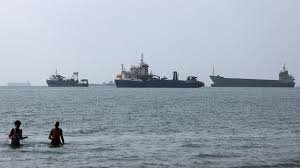
The End of the Hormuz Monopoly? Trump’s Strategic Shift in Global Energy
For decades, the Strait of Hormuz has been one of the most critical geopolitical chokepoints in the world. As the primary artery for global oil exports, any disruption in this narrow waterway has the potential to send energy prices skyrocketing. However, President Donald Trump is proposing a paradigm shift: making the strait “not very necessary anymore.”
In a recent series of statements, the U.S. President outlined a strategy to diminish the world’s reliance on this volatile corridor by investing in Donald Trump Strait of Hormuz alternatives, including new pipelines and overland transportation routes across the Middle East.
Bypassing the Bottleneck: Pipelines and Overland Routes
President Trump argues that the strategic importance of the Strait of Hormuz is waning. According to the administration, the development of new infrastructure is key to ensuring energy security. Some of the primary alternatives being explored include:
- n
- Regional Pipelines: The development of new pipelines designed to move crude oil across borders without entering the strait.
- Overland Logistics: Trump specifically highlighted overland routes through Syria, where trucks are already transporting crude oil to bypass maritime risks.
- Diversified Export Hubs: Encouraging energy companies to find alternative routes to keep global markets stable.
By creating these alternatives, the U.S. aims to strip Iran of its primary leverage over the global economy, effectively neutralizing the threat of a blockade.
Operation Economic Outcast: Tightening the Noose on Iran
The strategy to bypass the strait is paired with an aggressive economic campaign. The U.S. Treasury Department recently launched “Operation Economic Outcast,” a mission designed to block every possible revenue stream funding the Islamic Revolutionary Guard Corps (IRGC) and the Iranian regime.
The impact of these measures is becoming evident. Reports indicate that Iran is facing a severe energy crisis of its own, with sources suggesting the country may have only two months of gasoline supply remaining. This shortage is a direct result of limited refining capacity and the U.S. military’s ongoing blockade of Iranian ports, which has crippled oil exports—the regime’s main source of income.
A “Military Conflict” of “Small Potatoes”
While tensions remain high, President Trump has downplayed the scale of the confrontation. Addressing comments from Vice President JD Vance, Trump characterized the struggle against Iran as a “military conflict” rather than a full-scale war, describing it as “small potatoes” compared to historical conflicts like Vietnam.
Trump emphasized that the U.S. currently maintains strong control over the Strait of Hormuz, noting that strategic strikes have already neutralized critical Iranian radar and aircraft assets that previously protected the waterway.
Regional Instability and the Call for Diplomacy
Beyond the energy war, the region remains a powder keg. Recent escalations include:
- n
- Israel vs. Hezbollah: The IDF recently struck Hezbollah weapon storage facilities in Lebanon following a drone attack on Israeli troops.
- Yemen Crisis: Iran-backed Houthi forces have launched offensives toward the strategic Bab al-Mandab Strait, resulting in significant casualties.
Amidst this volatility, diplomatic voices are emerging. Egyptian Foreign Minister Badr Abdelatty has urged both the United States and Iran to return to negotiations to de-escalate tensions, emphasizing that diplomatic dialogue is the only sustainable way to ensure the safety of maritime navigation and the flow of global trade.
Conclusion: A New Era of Energy Security
The push for Strait of Hormuz alternatives represents more than just an engineering challenge; it is a geopolitical maneuver to reshape the power dynamics of the Middle East. By diversifying energy routes and applying maximum economic pressure, the Trump administration seeks to ensure that no single nation can hold the world’s energy supply hostage.
For more information on global energy trends, you can visit the International Energy Agency (IEA) to see how global oil flows are shifting.



