
Reza Pahlavi: Leading the Charge for Change in Iran
As Iran and the United States prepare for potential talks, a powerful movement is gaining momentum globally, fueled by the diaspora community and spearheaded by Reza Pahlavi, son of the last Shah of Iran. Following the tragic loss of life during recent nationwide antigovernment protests, Iranians across the world are uniting to demand action and a fundamental shift in the country’s leadership.
Clashing Views and International Mediation
While Washington seeks to limit Iran’s nuclear program and missile development, Tehran remains steadfast in its demands for sanctions relief. Amidst these tensions, Oman is mediating a second round of talks between Iran and the US, scheduled to take place in Geneva next week. Iranian President Masoud Pezeshkian has emphasized the nation’s desire for peaceful resolution, stating they “do not need a custodian,” and warning of the devastating regional impact of war. This comes as US President Donald Trump considers increasing military presence in the Middle East, even suggesting “regime change” as the ideal outcome.
A Global Call for Action
The Iranian diaspora is responding with unprecedented displays of solidarity. Reza Pahlavi has emerged as a central figure, calling for a “global day of action” to “take Iran back” from the Islamic Republic. He recently addressed the Munich Security Conference in Germany, engaging with world leaders like Ukrainian President Volodymyr Zelenskyy and US Senator Lindsey Graham. Major rallies were held in Munich, Los Angeles, and Toronto, with Toronto’s event drawing over 150,000 participants, and Munich expecting around 100,000.
Remembering the Fallen and Defying Repression
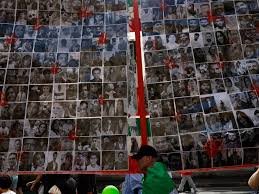
These protests are a direct response to the brutal crackdown on demonstrations sparked by the death of Mahsa Amini in 2022. Families across Iran are courageously sharing footage online, commemorating loved ones lost during the protests. Behesht-e Zahra cemetery in Tehran has become a focal point for mourning ceremonies, marking the “chehelom” – 40 days since the killings. Despite the risks, bereaved relatives are expressing defiance and pride, showcasing the “victory” sign as a symbol of resilience.
The stories of those lost, like medical student Ayda Heydari and Tehran University student Zahra “Raha” Behloulipour, are heartbreaking reminders of the cost of dissent. While state media attempts to discredit the victims, claiming some were linked to foreign agents, even officials within the Iranian system acknowledge the predominantly peaceful nature of the protests. Mohammad-Hossein Omid, head of Tehran University, stated that “most” participants were “protesters not terrorists.”
Arrests, Confessions, and the Threat of Execution
The Iranian government’s response has been harsh, with tens of thousands arrested. While some reformist politicians and students have been released on bail, many remain imprisoned, facing previous charges or the threat of execution. Amnesty International reports that 18-year-old wrestling champion Saleh Mohammadi has been sentenced to public execution based on forced confessions. UN Special Rapporteur on Iran, Mai Sato, warns that these patterns of repression are being replicated on a mass scale, with potentially over 20,000 civilians killed during the demonstrations. The lack of transparency and heavy internet filtering make it difficult to ascertain a precise casualty toll.
The Role of the Diaspora and the Future of Iran
Reza Pahlavi’s leadership is galvanizing the Iranian diaspora, providing a focal point for their demands for change. His presence on the international stage is raising awareness and garnering support for the movement. The future of Iran remains uncertain, but the courage of the protesters, the resilience of the families, and the unwavering determination of the diaspora are sending a powerful message to the world. For more information on the situation in Iran, you can visit Al Jazeera.



