The Uprising: A Cinematic Journey Through Rebellion and Human Spirit
In an era where many feel silenced by the machinery of power, Paul Greengrass delivers a timely and visceral cinematic experience. The Uprising is not just a historical retelling; it is a mirror held up to modern frustrations, exploring the depths of disenfranchisement and the explosive power of a people pushed to their limit.
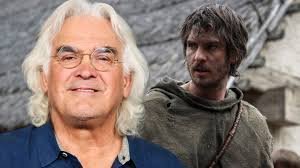
Directed by the Oscar-nominated Paul Greengrass, the film dives deep into the 14th-century Peasants’ Revolt in England. It captures a pivotal moment in history when the common folk—the serfs—rose against a feudal system that treated them as property, fighting for autonomy and basic human dignity.
A Hero’s Journey Born from Grief
At the heart of the story is Andrew Garfield, who portrays ‘Ploughman,’ a humble farmer whose life has been shattered by the plague. When the oppressive government of the teenage King Richard II demands higher taxes from those who have nothing left, Ploughman reaches his breaking point. What begins as a personal outcry quickly ignites a nationwide rebellion.
Garfield describes his approach to the role as a response to the “out of joint” nature of our current world. His performance is rooted in a visceral understanding of grief and the yearning for accountability from those in power.
The Connection to the Robin Hood Legend
One of the most fascinating aspects of The Uprising is how it explores the origin of the outlaw myth. Greengrass reveals that while the Peasants’ Revolt was eventually crushed, the dream of justice survived. This dream manifested in the tavern tales and ballads of the late 14th century, eventually giving birth to the legend of Robin Hood.
The film positions Ploughman not as a historical footnote, but as the blueprint for the legendary outlaw—a man who, after being betrayed by the crown, takes his fight to the forests to haunt the powerful.
An Epic Scale: From Bavaria to Medieval London
To achieve an authentic atmosphere, the production moved away from sterile studios, filming on location in Bavaria and Germany. The use of an ancient Nuremberg church and meticulous costume design helped immerse the actors in the muck and mire of the medieval world.
Key Highlights of the Production:
- n
- Immersive Casting: Featuring a powerhouse ensemble including Cosmo Jarvis as Wat Tyler, Jamie Bell as John Ball, and Thomasin McKenzie as Alyce.
- Authentic Research: The team worked with historian Dan Jones, author of Summer of Blood, to ensure details—from how oxen slept to the symptoms of the plague—were accurate.
- Visual Spectacle: The recreation of the iconic London Bridge utilized a “French reverse” set design, combining practical builds with stunning visual effects from Focus Features.
More Than a History Lesson
Greengrass emphasizes that The Uprising is not a documentary, but a grand historical epic in the vein of Gladiator or Braveheart. It focuses on the “world turning”—the dramatic shift in consciousness where ordinary people first realized that their feelings about injustice actually mattered.
This realization, according to the filmmakers, laid the foundational stones for the Enlightenment and the eventual growth of individual rights and republics, including the American Revolution.