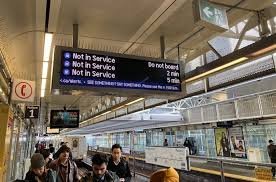
Revolutionizing the Cityscape: The Impact of Skytrain Technology
In an era where urban congestion is becoming a global challenge, the concept of the Skytrain has emerged as a beacon of efficiency. By elevating transit above the crowded streets, these automated rail systems are not just moving people; they are reshaping the way we perceive urban mobility.
What Exactly is a Skytrain?
A Skytrain is typically an automated, driverless light rail system that operates on elevated tracks. Unlike traditional subways that require extensive underground tunneling, the Skytrain utilizes overhead guideways, reducing construction costs and avoiding the chaos of street-level traffic.
One of the most prominent examples is the Vancouver SkyTrain in Canada, which stands as one of the longest fully automated driverless systems in the world. Its ability to provide high-frequency service without human intervention makes it a gold standard for smart city infrastructure.
Key Advantages of Automated Elevated Rail
The shift toward Skytrain systems is driven by several critical factors that benefit both the environment and the commuter:
- n
- Unmatched Efficiency: Automated systems can run trains more frequently and with tighter precision than human-operated lines, reducing wait times significantly.
- Environmental Sustainability: By utilizing electric propulsion, Skytrains help reduce the carbon footprint of the city, decreasing the reliance on fossil-fuel-powered vehicles.
- Reduced Traffic Congestion: By moving a massive volume of passengers above the road, these systems clear the way for essential street-level logistics.
- Enhanced Safety: Computerized control systems eliminate human error, ensuring smoother braking and precise docking at stations.
The Role of Technology in Modern Transit
The magic behind the Skytrain lies in its Automatic Train Control (ATC). This technology manages everything from acceleration and braking to the scheduling of trains in real-time. As we move toward the integration of AI and the Internet of Things (IoT), we can expect these systems to become even more predictive, adjusting schedules instantly based on passenger flow.
Looking Ahead: The Future of the Sky
As cities continue to grow vertically and horizontally, the demand for reliable, fast, and green transportation will only increase. The evolution of the Skytrain represents a bridge between traditional public transport and the futuristic vision of seamless, autonomous urban travel.
Whether you are a daily commuter or an urban planning enthusiast, it is clear that the integration of automated rail is no longer a luxury—it is a necessity for the sustainable cities of tomorrow.