Understanding the Heat Index: Why It Feels Hotter Than the Thermometer Says
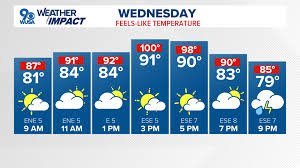
We have all experienced those oppressive summer days where the air feels thick, sticky, and almost impossible to breathe. You look at your weather app, and it says it is 90°F, but your body tells you it feels like 105°F. This discrepancy is exactly what the heat index explains.
But what is a heat index, and why does it matter for your health? Let’s dive into the science of “feels like” temperatures and how you can protect yourself during a heatwave.
What Exactly is the Heat Index?
The heat index is a measure of how hot it actually feels to the human body when relative humidity is combined with the air temperature. While a thermometer measures the dry-bulb temperature, the heat index accounts for the moisture in the air, which significantly impacts how our bodies cool down.
The human body cools itself primarily through the evaporation of sweat. When sweat evaporates from your skin, it carries heat away. However, when the humidity is high, the air is already saturated with moisture, meaning your sweat cannot evaporate as quickly. This traps heat against your skin, making you feel much hotter than the actual temperature.
The Relationship Between Humidity and Temperature
To understand the heat index, you have to understand the role of relative humidity. Here is a simple breakdown:
- n
- Low Humidity: Sweat evaporates quickly, allowing your body to cool efficiently. The heat index will be close to the actual temperature.
- High Humidity: Sweat stays on your skin. The cooling process slows down, and your internal body temperature rises. This causes the heat index to spike.
Heat Index Risk Levels: When Should You Worry?
Meteorologists and health organizations, such as the National Weather Service (NWS), use the heat index to categorize risk levels. Understanding these levels can be a lifesaver:
- Caution (80°F – 90°F): Fatigue is possible with prolonged exposure and activity.
- Extreme Caution (91°F – 103°F): Heat stroke, heat cramps, or heat exhaustion are possible.
- Danger (104°F – 124°F): Heat cramps and heat exhaustion are likely; heat stroke is possible.
- Extreme Danger (125°F or higher): Heat stroke is highly likely.
How to Stay Safe During High Heat Index Days
When the heat index reaches dangerous levels, it is crucial to take proactive steps to avoid heat-related illnesses. According to the CDC, these are the best ways to stay cool:
- Hydrate Constantly: Drink plenty of water, even if you don’t feel thirsty. Avoid excessive caffeine or alcohol, which can dehydrate you.
- Seek Shade and AC: Spend as much time as possible in air-conditioned environments or shaded areas.
- Wear Lightweight Clothing: Opt for light-colored, loose-fitting, and breathable fabrics like cotton or linen.
- Limit Outdoor Activity: Avoid strenuous exercise during the peak heat of the day (usually between 10 AM and 4 PM).
Conclusion
Now that you know what a heat index is, you can better interpret your local weather reports and take the necessary precautions. Remember, it is not just about the degrees on the thermometer—it is about how your body reacts to the environment. Stay hydrated, stay cool, and listen to your body!