
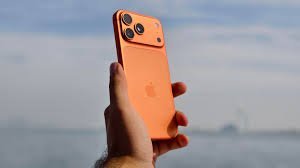
The Next Leap in Mobile Photography: Exploring the Latest iPhone Rumors
Every year, the tech world holds its breath for Apple’s fall event, and the anticipation for the next generation of iPhones is already reaching a fever pitch. Among the latest iPhone rumors, one specific leak has professional photographers and tech enthusiasts buzzing: the potential introduction of a variable-aperture lens on the iPhone 18 Pro.
But what exactly is a variable aperture, and why should the average user care? Let’s dive into the physics of light and how this feature could justify the rumored price hikes for the iPhone 18 Pro and the highly anticipated foldable iPhone 18 Ultra.
Understanding the Magic: What is Variable Aperture?
To understand this upgrade, we have to look at the “exposure triangle” used in traditional photography, which consists of shutter speed, ISO, and aperture. While smartphones typically handle shutter speed and ISO automatically, the aperture has remained largely static.
Currently, most iPhones use a fixed aperture. For example, the iPhone 17 Pro’s main camera is locked at f/1.78. This means the physical opening that lets light hit the sensor never changes. A variable aperture, however, allows the lens to physically open and close, giving the photographer unprecedented control over the image.
Why Photographers are Excited:
- Perfect Landscapes: In bright light, a narrower aperture creates a longer depth of field, ensuring that both your subject and the distant background (like the Eiffel Tower) remain crisp and sharp.
- Cinematic Bokeh: A wide-open aperture allows more light in and creates that creamy, blurred background (bokeh) that makes portraits look professional.
- Nightly Starbursts: By closing the aperture in low-light city scenes, you can create authentic “starburst” effects around streetlights, avoiding the amorphous blobs common in most smartphone night shots.
Beyond Stills: A Game Changer for Video
The benefits don’t stop at photography. For videographers, a variable aperture provides a second way to control exposure without relying solely on ISO adjustments. This means better highlights management and more natural control over the depth of field while filming, making mobile cinema even more viable.
Learning from the Competition
Apple isn’t the first to experiment with this. Samsung’s Galaxy S9 and S10 featured dual-aperture lenses, and the Xiaomi 14 Ultra recently pushed the boundaries with a range from f/1.6 to f/4. While some manufacturers abandoned the feature, Apple’s integration could be more seamless and sophisticated, potentially utilizing an automatic mode for casual users and manual controls for pros via third-party apps.
The Big Questions: Exclusivity and Hardware
One concerning detail in the latest iPhone rumors is the possibility that the variable aperture might be exclusive to the iPhone 18 Pro Max. If Apple limits this to the larger model due to space constraints, users who prefer a more compact device may feel left behind—similar to the 5x telephoto lens exclusivity seen in previous generations.
Additionally, there is speculation regarding the sensor itself. While the iPhone 17 Pro’s sensor is impressive, competitors like the Leica Leitzphone use 1-inch sensors for superior dynamic range. There are whispers that Apple might adopt the Sony Lytia L910 (LOFIC) sensor, which would drastically improve how the phone handles extreme contrast in a single frame.
Final Thoughts
If the iPhone 18 Pro delivers a true variable aperture and a larger sensor, it won’t just be a minor update—it will be a paradigm shift in how we capture the world. While we wait for the official announcement, one thing is clear: the gap between professional mirrorless cameras and smartphones is shrinking faster than ever.



