Environment Canada Weather: Your Ultimate Guide to Staying Prepared and Safe
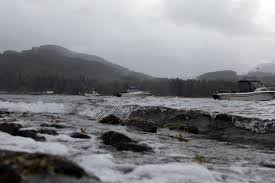
Stay Ahead of the Elements with Environment Canada Weather
Living in Canada means embracing a wide spectrum of weather—from breathtaking snowy winters to humid, vibrant summers. Whether you are planning a weekend getaway to the Rockies or simply commuting to work in Toronto, staying informed via Environment Canada weather services is not just a convenience; it is a necessity for safety.
In this guide, we will explore how to make the most of Canada’s official weather resources to ensure you are never caught off guard by the unpredictable northern climate.
Why Rely on Environment Canada?
While there are many third-party weather apps available, Environment Canada is the gold standard for meteorological data in the country. As a government agency, they provide specialized monitoring and high-precision forecasting tailored to Canada’s unique geography.
Key Features to Watch For
- Local Forecasts: Get detailed hourly and weekly breakdowns for your specific municipality.
- Severe Weather Alerts: Immediate notifications for blizzards, tornado warnings, and extreme heat advisories.
- Marine and Aviation Forecasts: Essential data for those navigating the coasts or the skies.
- Climate Data: Access historical records to understand long-term trends in your region.
Understanding Weather Alerts: Watch vs. Warning
It can be confusing to distinguish between different types of alerts. Here is a quick breakdown to help you react correctly:
- Weather Watch: Conditions are favourable for a weather event to occur. Action: Stay alert and monitor updates.
- Weather Warning: A dangerous weather event is occurring or is imminent. Action: Take immediate action to protect yourself and your property.
Pro Tips for Staying Safe in All Seasons
Using Environment Canada weather data is the first step, but preparation is the second. Depending on the forecast, consider the following:
- Winter: Keep an emergency kit in your car (blankets, scrapers, and salt) when a winter storm warning is issued.
- Summer: During heat warnings, prioritize hydration and avoid outdoor activities during peak UV hours.
- Spring/Fall: Be mindful of sudden wind shifts and heavy rainfall that can lead to localized flooding.
Conclusion
Don’t let the weather dictate your day. By integrating official Environment Canada updates into your daily routine, you can plan your activities with confidence and ensure the safety of your loved ones. Stay informed, stay prepared, and enjoy everything the Canadian landscape has to offer!
📰 You May Also Like