
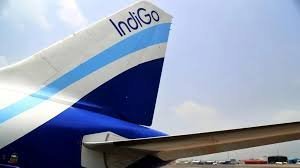
IndiGo Flight 6E 2102 Forced into Emergency Landing in Goa: What Happened?
Air travel is generally seen as the safest mode of transportation, but unexpected technical glitches can sometimes lead to high-tension moments in the sky. This was exactly the case on Tuesday, when IndiGo flight 6E 2102, bound for Delhi, was forced to make an emergency landing back in Goa.
The Timeline of the Incident
The flight departed from North Goa at 9:16 am, beginning what should have been a routine journey to the capital. However, shortly after takeoff, the flight crew identified a technical issue that compromised the standard operation of the aircraft. Prioritizing passenger safety, the decision was made to turn the plane around immediately.
The situation escalated in urgency as the aircraft headed back toward the coast. By approximately 9:30 am, Air Traffic Control (ATC) declared a full emergency to ensure the aircraft received priority clearance and maximum support upon its arrival at Manohar International Airport.
Current Status and Safety Protocols
Fortunately, the aircraft landed safely without any reported injuries. According to official updates, the aircraft is currently undergoing rigorous maintenance checks. It will only resume operations once it secures all necessary technical clearances and meets strict safety benchmarks.
Why do emergency landings happen?
While the specific nature of the technical fault on flight 6E 2102 has not been detailed, emergency returns are common safety protocols in aviation. These can be triggered by several factors, including:
- n
- Engine malfunctions or warnings.
- Hydraulic or electrical system failures.
- Sensor errors or cockpit instrumentation glitches.
- Unexpected weather anomalies.
For more information on global aviation safety standards, you can visit the International Civil Aviation Organization (ICAO), which sets the global benchmarks for flight security and aircraft maintenance.
The Importance of Rapid ATC Response
The swift coordination between the IndiGo crew and the Air Traffic Control was pivotal in this incident. By declaring a “full emergency,” the ATC ensures that the runway is cleared of other traffic and emergency response teams—such as firefighters and medical staff—are on standby, minimizing risk during the emergency landing process.
Passengers are encouraged to stay updated through official airline channels regarding rescheduled flights and compensation for the disruption.



