
The Shock at the Pump: Quebec’s Fuel Crisis Explained
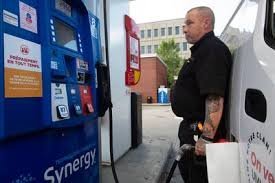
If you’ve visited a gas station in Montreal recently, you’ve likely felt the sting of rising costs. With regular gasoline prices hitting the $2 per litre mark in many areas, Quebec drivers are facing a challenging economic reality. But why is this happening now, and is there any relief in sight?
The current situation is a perfect storm of local capacity limits and global geopolitical instability. Here is a deep dive into the factors driving the cost of essence (gasoline) and diesel across the province.
Refineries Pushed to the Limit
Quebec’s oil refining infrastructure is currently operating at maximum output. According to Carl Montreuil, Vice-President of the Canadian Fuel Association, refineries have been running at over 90% capacity for several months.
In the industry, any utilization rate between 90% and 95% is considered full capacity. To put this in perspective, the average utilization rate for Quebec and Eastern Canada was 89% in 2025. Now, there is simply no room left to increase production to meet demand.
Key Production Hubs in Quebec:
- Valéro Energy (Lévis): Producing approximately 265,000 barrels per day.
- Suncor Energy (Montreal): Producing approximately 157,000 barrels per day.
The Global Catalyst: Geopolitical Tensions
The local shortage isn’t happening in a vacuum. A historic global shortage of refining capacity—exacerbated by conflicts in the Middle East and the prolonged blockage of the Strait of Hormuz—has put immense pressure on energy markets worldwide.
These international disruptions directly impact the cost of crude oil and the ability to process it, leading to a ripple effect that ends at the gas pumps in Quebec.
The Diesel Warning: A Potential Economic Disaster
While gasoline prices are worrying, the situation for diesel is even more critical. Diesel has already climbed to $2.65 per litre in some regions, a peak not seen since 2022 during the post-pandemic recovery and the start of the war in Ukraine.
Dan McTeague, President of Canadians for Affordable Energy, warns that if diplomatic tensions are not eased, diesel could hit a record $3 per litre by the end of October. This would be catastrophic for the Quebec and Canadian economies, as transport and logistics costs would skyrocket, leading to higher prices for groceries and consumer goods.
Is There Any Good News?
For those looking for a break, there is a small glimmer of hope on the horizon. Mid-September typically brings the transition to the winter fuel formula. Experts predict this change could lead to a modest price decrease of approximately 8 cents per litre.
However, this temporary relief may be overshadowed if global tensions continue to escalate throughout the autumn.



