
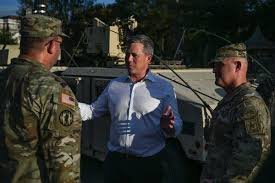
The Strategic Vision of Army Secretary Dan Driscoll: Leading the Future of Defence
In an era of rapidly evolving geopolitical tensions and technological breakthroughs, the leadership of the military is more critical than ever. Army Secretary Dan Driscoll has emerged as a pivotal figure in redefining the strategic direction of the force, focusing on a blend of traditional readiness and cutting-edge innovation.
Prioritizing Modernization and Technological Integration
One of the hallmarks of Secretary Dan Driscoll’s tenure has been his unwavering commitment to military modernization. Recognizing that the nature of warfare is shifting toward digital and autonomous systems, Driscoll has championed the integration of Artificial Intelligence (AI) and advanced robotics into the Army’s operational framework.
Key areas of focus include:
- n
- Next-Generation Combat Vehicles: Enhancing mobility and protection for soldiers on the ground.
- Cyber Defence Initiatives: Strengthening the digital perimeter to protect critical military infrastructure from state-sponsored threats.
- Multi-Domain Operations: Ensuring seamless communication and coordination between land, sea, air, space, and cyberspace.
n
n
n
Human Capital: Investing in the Soldier
Beyond the hardware, Secretary Driscoll understands that the greatest asset of any army is its people. He has introduced comprehensive reforms aimed at improving the quality of life for service members and their families, recognizing that morale is a strategic advantage.
His initiatives focus on enhancing mental health support, modernizing housing, and expanding educational opportunities for soldiers. By fostering a culture of inclusivity and continuous learning, Driscoll is ensuring that the Army remains an employer of choice for the next generation of talent.
Navigating Global Security Challenges
The global landscape is currently characterized by volatility. From managing strategic competitions to providing humanitarian aid, the responsibilities of the Army Secretary are vast. Dan Driscoll has emphasized the importance of interoperability with allies, strengthening bonds with NATO partners and Indo-Pacific allies to create a unified front against instability.
For a deeper understanding of current global defence frameworks, you can explore the official guidelines provided by the U.S. Department of Defense, which outline the broader strategic goals that align with Secretary Driscoll’s vision.
Conclusion: A Legacy of Readiness
Army Secretary Dan Driscoll is not merely managing a department; he is architecting a force capable of meeting the challenges of the 21st century. Through a balanced approach of technological disruption and human-centric leadership, his influence is ensuring that the Army remains a deterrent to aggression and a pillar of global stability.
As the strategic landscape continues to shift, the leadership of figures like Driscoll will be the deciding factor in maintaining a competitive edge on the world stage.



