
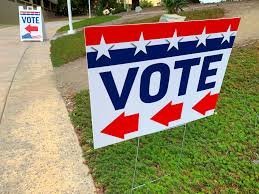
Understanding Election Results: A Comprehensive Guide to Tracking Your Vote
Election day is more than just a date on the calendar; it is the heartbeat of a functioning democracy. Whether it is a local municipal vote or a high-stakes national contest, the moment the election results begin to roll in, the atmosphere shifts from anticipation to intense analysis. But in an era of rapid-fire information, how do you distinguish between a preliminary lead and a definitive victory?
Where to Find Reliable Election Results
With the rise of social media, misinformation can spread quickly. To get the most accurate and verified voting outcomes, it is essential to rely on authoritative sources. Depending on your location, the best places to monitor the count include:
- n
- Official Election Commissions: Always the primary source of truth. For those in Canada, Elections Canada provides the official tally and certified results.
- Reputable News Agencies: Global leaders like Reuters or the Associated Press offer real-time data and expert political analysis.
- Live Election Maps: Interactive maps help visualize regional swings and trends, making it easier to understand the geographic distribution of votes.
Deciphering the Data: What Do the Numbers Really Mean?
Reading election results requires a bit of nuance. It is easy to see a percentage and assume the race is over, but several factors can influence the final tally:
1. Exit Polls vs. Actual Results
Exit polls are surveys taken from voters as they leave the polling station. While they provide an early glimpse into the mood of the electorate, they are estimates and can often be skewed. Always wait for the official count before declaring a winner.
2. The Margin of Error
In close races, the “margin of error” is critical. If two candidates are separated by a percentage smaller than the margin of error, the race is effectively a statistical tie until every ballot is counted.
3. Mail-in and Early Ballots
Modern elections often see a surge in mail-in voting. These ballots are sometimes counted later than in-person votes, which can lead to a “shift” in the results as the night progresses.
Why Tracking Election Results Matters
Beyond the excitement of who wins, following the election results allows citizens to understand the shifting priorities of their community. A victory for a specific platform signals a public demand for change in areas such as healthcare, economics, or climate policy.
Engaging with the results is the final step of the democratic process. It holds elected officials accountable and provides a benchmark for the promises made during the campaign trail.
Conclusion
Staying informed about election results is about more than just knowing the winner; it is about understanding the direction of your society. By using verified sources and understanding how the data is processed, you can navigate the noise of election night with clarity and confidence.
Stay tuned to our political section for more updates and deep dives into the latest democratic trends.



