Symptoms typically appear between 3 and 7 days after the mosquito bite. Common symptoms include:
- High fever
- Severe joint pain (often debilitating)
- Muscle pain
- Headache
- Rash
- Fatigue
While most individuals recover within a week or two, joint pain can persist for months, even years, in some cases. There is currently no specific antiviral treatment for Chikungunya; care focuses on relieving symptoms.
The Current Outbreak in Seychelles
The Seychelles Ministry of Health has confirmed a significant increase in Chikungunya cases in recent weeks. The outbreak is affecting multiple islands within the archipelago. Authorities are actively working to control the mosquito population through spraying and public awareness campaigns. The Public Health Agency of Canada ([https://travel.gc.ca/destinations/seychelles](https://travel.gc.ca/destinations/seychelles)) is monitoring the situation and providing travel advice to Canadian citizens.
Prevention is Key: Protecting Yourself from Chikungunya
The most effective way to prevent Chikungunya is to avoid mosquito bites. Here are some preventative measures:
- Use insect repellent: Apply repellent containing DEET, picaridin, IR3535, or oil of lemon eucalyptus to exposed skin and clothing.
- Wear protective clothing: Cover up with long sleeves, long pants, and socks, especially during peak mosquito activity hours (dawn and dusk).
- Eliminate breeding grounds: Remove standing water from containers such as flower pots, tires, and buckets.
- Use mosquito nets: Sleep under a mosquito net, especially if your accommodation is not air-conditioned or screened.
- Stay in screened accommodations: Choose hotels or rentals with well-maintained screens on windows and doors.
Travel Advisory: What Travelers Should Do
If you are planning to travel to the Seychelles, it is crucial to stay updated on the latest travel advisories. Consult your doctor or a travel health clinic before your trip to discuss preventative measures and potential risks. The Centers for Disease Control and Prevention ([https://www.cdc.gov/chikungunya/index.html](https://www.cdc.gov/chikungunya/index.html)) offers detailed travel recommendations. Be vigilant about mosquito bite prevention throughout your stay. If you develop symptoms of Chikungunya, seek medical attention immediately.
Seychelles Faces Chikungunya Virus Outbreak: A Comprehensive Guide
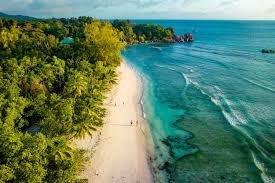
The idyllic islands of the Seychelles are currently grappling with a concerning outbreak of the Chikungunya virus. This mosquito-borne illness, while rarely fatal, can cause debilitating symptoms and significantly impact travel plans. This article provides a detailed overview of the outbreak, its symptoms, prevention methods, and current travel advisories, ensuring you have the information needed to stay safe and informed.
Understanding Chikungunya: What You Need to Know
Chikungunya is a viral disease transmitted to humans through the bite of infected mosquitoes, primarily *Aedes aegypti* and *Aedes albopictus*. These mosquitoes are known for their aggressive biting habits and ability to breed in even small amounts of water. The name “Chikungunya” originates from an African language and means “to become bent over,” a reference to the crippling joint pain often associated with the illness. The World Health Organization ([https://www.who.int/news-room/fact-sheets/detail/chikungunya](https://www.who.int/news-room/fact-sheets/detail/chikungunya)) provides comprehensive information on the global impact of this virus.
Symptoms of Chikungunya Virus Infection
Symptoms typically appear between 3 and 7 days after the mosquito bite. Common symptoms include:
- High fever
- Severe joint pain (often debilitating)
- Muscle pain
- Headache
- Rash
- Fatigue
While most individuals recover within a week or two, joint pain can persist for months, even years, in some cases. There is currently no specific antiviral treatment for Chikungunya; care focuses on relieving symptoms.
The Current Outbreak in Seychelles
The Seychelles Ministry of Health has confirmed a significant increase in Chikungunya cases in recent weeks. The outbreak is affecting multiple islands within the archipelago. Authorities are actively working to control the mosquito population through spraying and public awareness campaigns. The Public Health Agency of Canada ([https://travel.gc.ca/destinations/seychelles](https://travel.gc.ca/destinations/seychelles)) is monitoring the situation and providing travel advice to Canadian citizens.
Prevention is Key: Protecting Yourself from Chikungunya
The most effective way to prevent Chikungunya is to avoid mosquito bites. Here are some preventative measures:
- Use insect repellent: Apply repellent containing DEET, picaridin, IR3535, or oil of lemon eucalyptus to exposed skin and clothing.
- Wear protective clothing: Cover up with long sleeves, long pants, and socks, especially during peak mosquito activity hours (dawn and dusk).
- Eliminate breeding grounds: Remove standing water from containers such as flower pots, tires, and buckets.
- Use mosquito nets: Sleep under a mosquito net, especially if your accommodation is not air-conditioned or screened.
- Stay in screened accommodations: Choose hotels or rentals with well-maintained screens on windows and doors.
Travel Advisory: What Travelers Should Do
If you are planning to travel to the Seychelles, it is crucial to stay updated on the latest travel advisories. Consult your doctor or a travel health clinic before your trip to discuss preventative measures and potential risks. The Centers for Disease Control and Prevention ([https://www.cdc.gov/chikungunya/index.html](https://www.cdc.gov/chikungunya/index.html)) offers detailed travel recommendations. Be vigilant about mosquito bite prevention throughout your stay. If you develop symptoms of Chikungunya, seek medical attention immediately.