
The Gap Between Public Reports and Tesla’s Internal Data
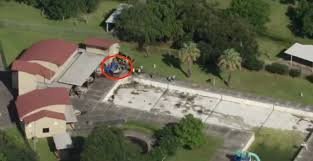
In May 2026, a tragic accident in Clute, Texas, claimed the life of 23-year-old Steven Alvarez. To the public and local authorities, the narrative was straightforward: a Model 3 left the road, crashed through a fence at Clute Municipal Park, and caught fire. Local police preliminary reports suggested a medical episode was the likely cause. However, hidden within federal filings, a far more complex story emerges.
According to data submitted by Tesla to the National Highway Traffic Safety Administration (NHTSA), the vehicle’s driver-assist system was “verified engaged” at the moment of impact. Even more shocking? Tesla’s telematics recorded the vehicle traveling at a staggering 104 mph on a residential street—a detail that never appeared in any police statement or news report.
What Does “Verified Engaged” Actually Mean?
In the world of Tesla Autopilot and “Full Self-Driving” (FSD), there is a significant difference between a system being “reported” as active and being “verified engaged.” When Tesla marks a crash as verified, it means their own internal telematics confirmed the software was controlling the vehicle’s functions.
However, this doesn’t automatically mean the software caused the crash. Experts note a critical nuance in how these systems work:
- Override Capabilities: Pressing the accelerator pedal does not necessarily disengage FSD or Autopilot.
- Manual Acceleration: A driver can floor the accelerator to reach high speeds while the system remains technically “active” in the background.
- The Medical Factor: If the driver suffered a medical emergency, they could have involuntarily pressed the pedal, pushing the car to 104 mph while Autopilot remained engaged.
The Danger of Corporate Secrecy
The most concerning part of this incident isn’t just the speed or the software status, but the lack of transparency. Tesla has redacted nearly all the narrative details, software versions, and operating-area data from the public SGO (Standing General Order) reports, labeling them as “confidential business information.”
By sealing this data, Tesla makes it nearly impossible for independent investigators and the public to determine:
- Whether the software contributed to the erratic driving.
- Which specific version of the FSD software was in use.
- Whether the vehicle was even in an approved operating zone for such systems.
Conclusion: The Need for Accountability
When a fatal accident occurs on public roads involving automated systems, “confidential business information” should not take precedence over public safety. The discrepancy between the police theory and Tesla’s data highlights a dangerous information gap.
As Tesla moves toward a future where they claim supervision may no longer be required, the industry must demand full disclosure of crash data. For the families of victims and the safety of all road users, transparency is not optional—it is a necessity.



