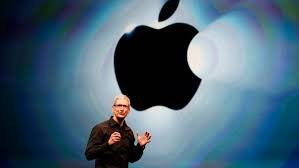
The Tim Cook Era: How a Strategic Vision Turned Apple into a Global Powerhouse
When Tim Cook stepped into the role of Apple’s CEO in August 2011, the world wondered if anyone could possibly follow in the footsteps of the legendary Steve Jobs. Jobs was the quintessential innovator, a visionary who changed the way we interact with technology. However, over the last 15 years, Tim Cook hasn’t just filled those shoes—he has forged an entirely new path, propelling Apple to heights that were previously unimaginable.
The Financial Explosion: Scaling a Giant
Under Cook’s stewardship, Apple’s financial trajectory has been nothing short of stratospheric. The numbers tell a compelling story of growth and efficiency:
- n
- Stock Surge: Apple’s stock has soared by more than 2,000% during his tenure.
- Market Milestone: The company briefly reached a staggering $5 trillion market capitalization in July, cementing its status as one of the most valuable entities in history.
- Ecosystem Expansion: Cook shifted the focus from just selling hardware to creating an essential ecosystem. By pioneering web services and accessories, he made the iPhone indispensable for everything from daily banking to fitness and music.
As noted by Harvard Business School professor David Yoffie, Cook managed to scale the iPhone to a level that few thought possible, turning a successful product into a global utility.
More Than a CEO: The Diplomat and Statesman
While his expertise in supply chain management was his entry point, Tim Cook’s greatest hidden strength has been his diplomacy. Navigating the volatile political waters between the United States and China—two pillars of Apple’s operations—required a unique set of skills.
Industry experts, including Gene Munster of Deepwater Asset Management, describe Cook as a “statesman.” His mild-mannered approach and strategic negotiation skills allowed Apple to avoid the brunt of heavy tariffs and maintain strong ties with foreign leadership, even during periods of intense geopolitical tension.
Passing the Torch: The Transition to John Ternus
As Apple prepares for a new chapter, the transition to hardware engineering chief John Ternus marks a pivotal moment for the company. While Cook will be remembered for stability and scaling, Ternus inherits a landscape that is far more complex than the one Cook faced in 2011.
The Hurdles Ahead for the Next Era:
- The AI Race: Apple faces immense pressure to catch up in the Generative AI space, especially as previous ventures like the Vision Pro faced a mixed reception.
- Regulatory Battles: Tense relationships with European Union regulators have already forced changes to the App Store and delayed the launch of a revamped Siri in Europe.
- Supply Chain Evolution: Reducing the historical reliance on China remains a critical strategic goal to avoid future pandemic-related disruptions.
The Cook Legacy: A Philosophy of Enrichment
Despite the challenges of memory chip shortages and market volatility, Tim Cook’s parting advice to his successor remains grounded in user experience. During one of his final earnings calls, he urged a focus on creating products that “enrich” the lives of customers.
By prioritizing human value over mere technical specifications, Cook ensured that Apple remained not just a tech company, but a lifestyle brand. For those interested in the company’s ongoing financial journey, the Apple Investor Relations page provides deep insights into the metrics that defined the Cook era.
Tim Cook proved that you don’t need to be the loudest person in the room to lead the world’s most influential company; you just need the strategic patience to build a future that feels essential to everyone.