
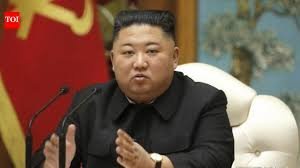
The Enigma of Power: Analyzing the Leadership of Kim Jong-un
In the complex landscape of global geopolitics, few figures are as polarizing or as shrouded in mystery as Kim Jong-un. As the Supreme Leader of the Democratic People’s Republic of Korea (DPRK), his tenure has been marked by a paradoxical blend of extreme isolationism and high-stakes international diplomacy.
Understanding the dynamics of his rule is essential for anyone looking to grasp the current tensions in East Asia and the broader implications for global security.
The Rise to Power and the Kim Dynasty
Kim Jong-un assumed power in 2011, following the death of his father, Kim Jong-il. Unlike his predecessors, Kim Jong-un brought a different energy to the leadership, blending traditional totalitarian control with a more modern, albeit highly curated, public image. He has worked tirelessly to consolidate power, ensuring that the Kim dynasty remains the undisputed center of North Korean life.
Strategic Priorities: Nuclear Ambitions and Survival
One of the most defining characteristics of Kim Jong-un’s leadership has been the aggressive acceleration of North Korea’s nuclear weapons program. For the regime, these capabilities are not just about aggression, but about regime survival. By positioning North Korea as a nuclear power, Kim seeks to deter foreign intervention and force global superpowers to negotiate on his terms.
- n
- Missile Technology: Continuous development of ICBMs (Intercontinental Ballistic Missiles).
- Diplomatic Leverage: Using nuclear tests as bargaining chips in international summits.
- Internal Stability: Using military achievements to bolster nationalistic pride and loyalty.
The Geopolitical Tug-of-War
The international community’s relationship with Kim Jong-un is a precarious balancing act. While the United States and South Korea often focus on sanctions and pressure, other nations see a different strategic value. North Korea’s relationship with China remains crucial, as Beijing views Pyongyang as a necessary buffer state to prevent US influence from reaching its borders.
Furthermore, recent shifts in global alliances have seen North Korea strengthening ties with Russia, trading military support for economic and technological aid, which adds a new layer of complexity to the current world order.
Life Under the Regime: The Human Cost
Beyond the headlines of missile launches and diplomatic summits lies the daily reality of the North Korean people. The regime’s strict control over information and movement creates a society of absolute surveillance. Human rights organizations, such as Amnesty International, frequently report on the severe restrictions of basic freedoms and the hardships faced by the population due to economic mismanagement and sanctions.
Conclusion: What Lies Ahead?
The future of the Korean Peninsula remains uncertain. Whether through a sudden diplomatic breakthrough or continued escalation, the actions of Kim Jong-un will continue to dictate the security architecture of Asia for years to come. As the world watches, the tension between the desire for denuclearization and the regime’s drive for power remains the central conflict of the region.
Stay informed about global politics and the evolving dynamics of international relations to understand how these events impact the world we live in.



